Song Meaning
Diana Krall's "Aniele Mój" isn't just a lament; it's a study in the agonizing space between what is and what could have been. The recurring phrase "almost blue" functions as both color and emotional state, painting a portrait of a love perpetually on the verge, forever shy of true fulfillment. Krall masterfully uses understatement to convey the depth of the speaker's yearning and the quiet desperation of settling for a facsimile of love.
The "almost" permeates every facet of the song. A new lover embodies echoes of the past, mirroring the eyes and promises of a lost connection. This imitation, however, only amplifies the emptiness. The lyrics hint at a deliberate self-destruction ("Flirting with this disaster became me"), suggesting a conscious choice to dwell in this liminal space. The speaker acknowledges their role as "the fool," implying a recognition of the futility in chasing a ghost. This isn't blind hope, but a knowing embrace of bittersweet longing.
Beneath the surface, "Aniele Mój" explores the complex relationship between memory and desire. The past is not idealized, as the couple is described as "unhappy," yet the pull of familiarity and the comfort of the almost-there prove irresistible. The song's genius lies in its refusal to offer easy answers or resolutions. It's a raw, honest portrayal of the human tendency to cling to fragments of what once was, even when those fragments are tinged with sadness. The final repetition of "almost me, almost you, almost blue" serves as a haunting reminder of the chasm that separates the present from the idealized, unattainable past.
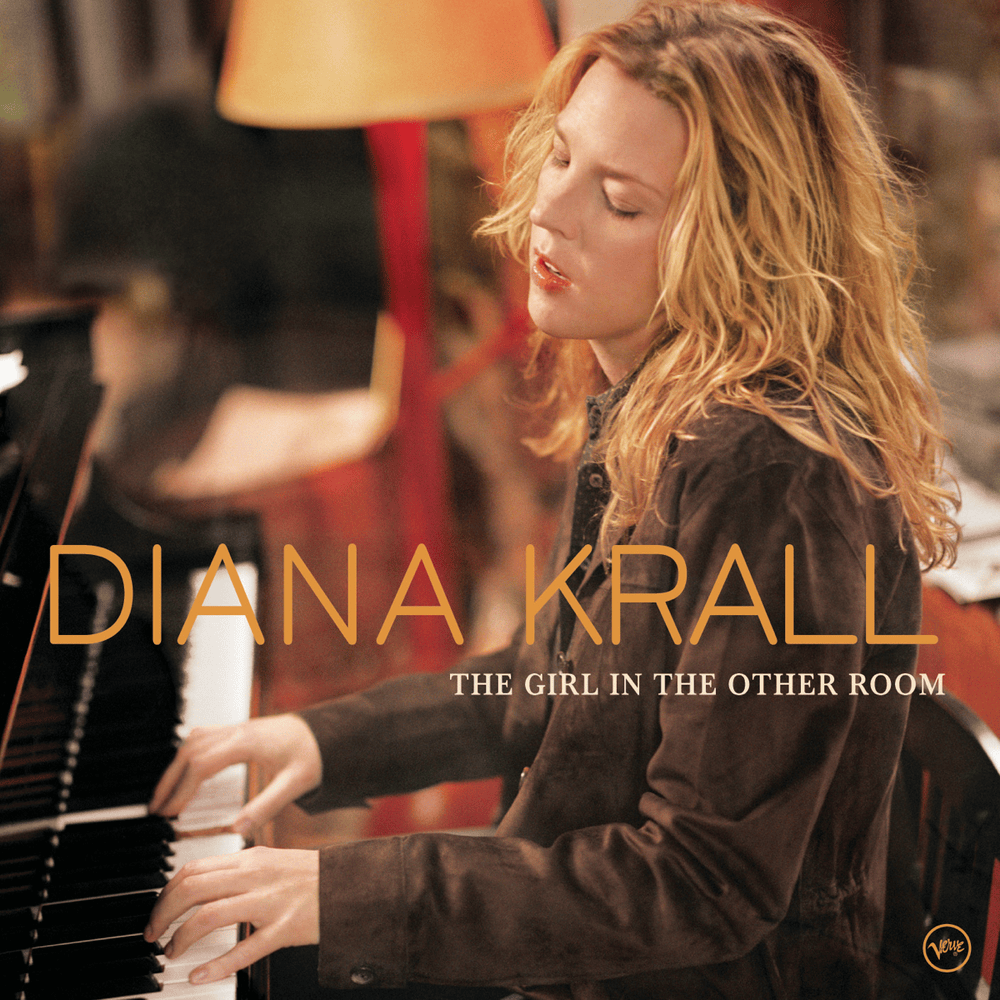
 View Artist