Song Meaning
Diana Krall's rendition of "All or Nothing at All" isn't just a song; it's a masterclass in emotional brinkmanship. The lyrics lay bare a soul wrestling with the seductive danger of incomplete love. It's the classic dilemma – is a taste of something exquisite worth the inevitable agony of its absence? Krall's narrator answers with a defiant 'no,' choosing the stark dignity of nothing over the messy compromise of 'half a love.' This isn't about being demanding; it's about self-preservation. The song meaning hinges on recognizing the protagonist's vulnerability and her desperate attempt to erect emotional barriers. She understands her own susceptibility and the potential for utter devastation. The repeated line, "I'd rather have nothing at all," becomes a mantra, a shield against the siren call of a love that promises only partial fulfillment.
The genius of the song lies in its recognition of the intoxicating power of subtle gestures. It's not grand declarations that threaten the narrator, but the intimate brush of lips on a cheek, the disarming curve of a smile. These small moments, "the kiss in your eyes, the touch of your hand," possess an almost hypnotic power, threatening to dissolve her resolve. The undertow metaphor is particularly potent. It speaks to the insidious nature of emotional entanglement, how quickly one can be swept away by forces beyond their control. The narrator isn't simply rejecting a lukewarm romance; she's actively fighting against her own desires, acknowledging that succumbing to this attraction would mean losing herself entirely.
Ultimately, "All or Nothing at All," in Krall's interpretation, becomes a study in the psychology of self-denial. It's a portrait of someone acutely aware of their own weaknesses and willing to inflict short-term pain to avoid long-term heartbreak. The song resonates because it taps into a universal fear: the fear of losing control, of being consumed by a love that isn't whole. It's a sophisticated exploration of the delicate balance between desire and self-preservation, rendered with a cool, almost detached elegance that only amplifies the underlying emotional turmoil.
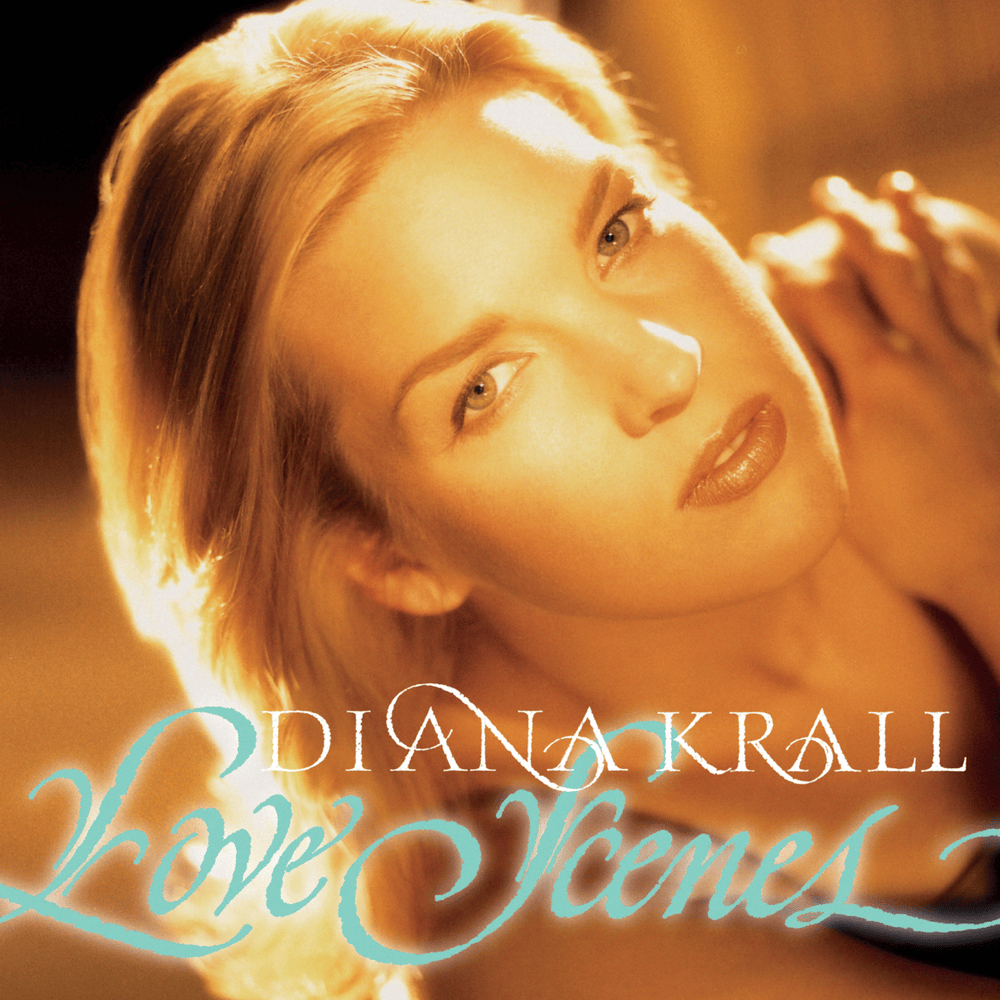
 View Artist