Song Meaning
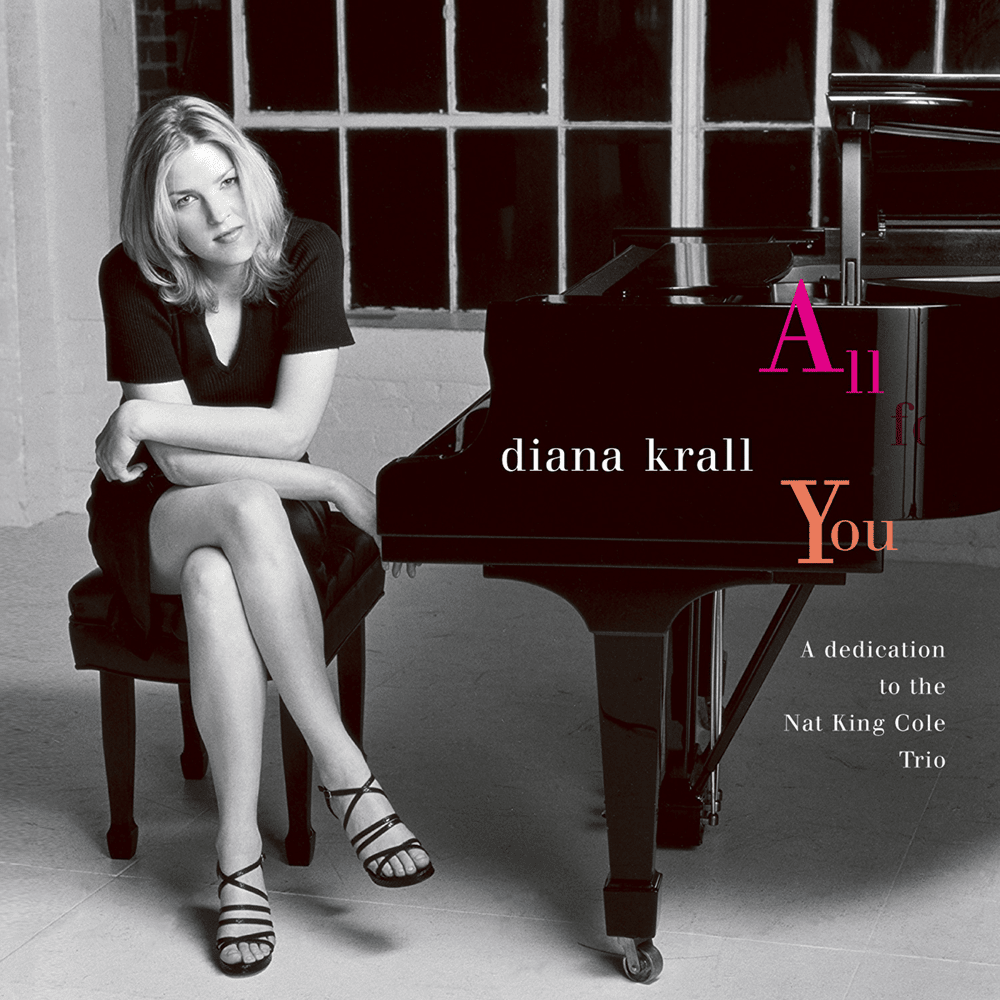
Diana Krall's rendition of "A Blossom Fell" carries a weight of betrayed innocence, a sonic portrait of romantic disillusionment painted with the delicate brushstrokes of jazz. The blossom itself operates as a symbol, less a harbinger of spring than a morbid omen, marking the precise moment when truth decays. The lyrics are deceptively simple, almost childlike in their directness, which only amplifies the sting of the core revelation. The image of the blossom landing on lying lips is particularly potent, transforming a natural occurrence into an accusation, a tangible manifestation of deceit. It’s a moment of stark clarity, where the protagonist's naivete shatters against the hard reality of infidelity.
Krall's performance elevates the song beyond a mere tale of heartbreak. The arrangement, likely sparse and melancholic given her signature style, would underscore the starkness of the lyrical narrative. The 'gypsies say' line adds a layer of fatalism, suggesting a preordained doom hanging over the relationship. It’s not just that the lover lied; it’s that destiny, or some mystical force, predicted and even orchestrated the heartbreak. This shifts the emotional landscape from simple sadness to a more profound sense of helplessness and acceptance. The listener is invited to contemplate not just the betrayal itself, but the larger forces that might govern our romantic fates.
The latter half of the lyrics—the repetition of 'I thought you'd love me,' 'You said you love me'—serves as a litany of lost hope. The transition from shared dreams to the stark declaration that 'true love died' is brutal in its simplicity. The song's meaning, ultimately, resides in this juxtaposition: the idyllic vision of forever shattered by the single, damning touch of a fallen blossom. It's a masterful exploration of love's fragility, rendered with a haunting beauty that lingers long after the final note.
 View Artist