Song Meaning
{"song_id": 12773487, "meaning": "Diam’s \"Introduction\" isn't just a track; it's a sonic cartography of self, a meticulously plotted journey from the global to the intimately personal. The insistent repetition of \"Je rappe\" (I rap) acts as both a declaration of intent and a centering mantra. She doesn't simply begin; she *locates* herself, demanding we visualize the planet, then France, then the department of Essonne (91), and finally, a quiet suburban zone near Les Ulis. This narrowing scope isn't mere scene-setting. It's a deliberate shrinking of the world to the precise space where her individual story begins. The genius lies in using geography as metaphor, suggesting that even within the vastness of existence, individual narratives – especially those of marginalized voices – possess profound significance.
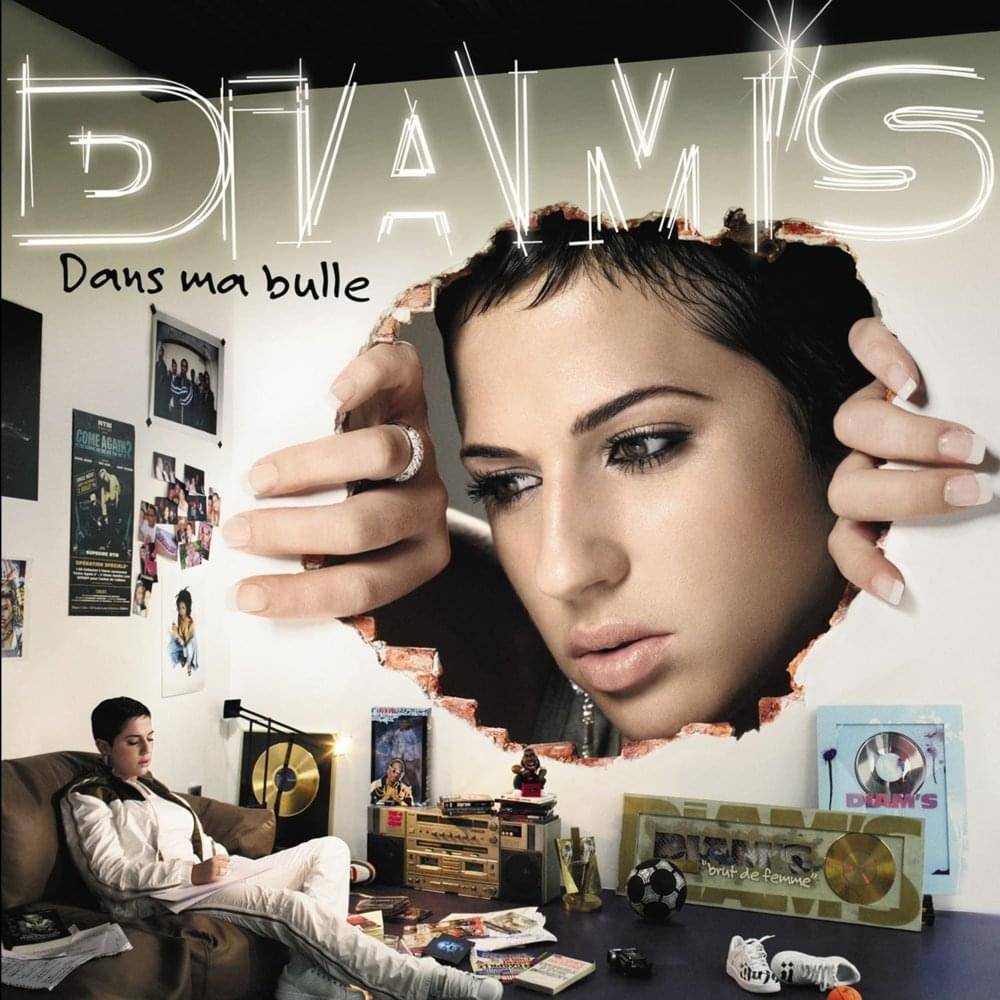
The song meaning hinges on the stark contrast between the macro and micro. We move from billions of inhabitants to a single \"p'tite meuf\" (little girl) in a bedroom. This isn't accidental; it's a conscious choice to highlight the often-overlooked stories simmering beneath the surface of societal narratives. The \"petite chambre d'adolescente, tranquille\" (small, quiet teenage girl's room) initially seems innocuous, but it's within this confined space that the seeds of Diam's' artistic identity are sown. The line \"Imagine juste une p'tite meuf qui attendait plus rien d'la vie\" (Imagine just a little girl who expected nothing more from life) is a gut punch, instantly humanizing her before she even begins to rap in earnest.
And then comes the crucial detail: \"Mais qui écoutait NTM\" (But who listened to NTM). This isn't a throwaway reference. NTM, the iconic French rap group, represents rebellion, social commentary, and a voice for the voiceless. Diam's places herself firmly within that lineage. It suggests that even in a state of apparent hopelessness, the seeds of rebellion and artistic expression can be ignited by the right spark. The entire \"Introduction\" functions as a powerful statement: that her rap isn't just music; it's a product of a specific place, time, and emotional landscape, a defiant act born from the quiet desperation of a young girl finding solace and inspiration in the sounds of revolution."}
 View Artist