Song Meaning
The lyrics paint a picture of deep affection and a desire for shared experience, moving beyond the tangible. The narrator expresses a profound connection to someone, acknowledging their voice and presence, even while feeling unable to fully reciprocate. This isn't just about liking something; it's about cherishing the ephemeral, like a "rain-soaked promise" that shines like a "prism." The core tension lies in wanting to hold onto this feeling, this "now," which is described as "transparent, beautiful, and warm," without needing any external validation.
The central conflict emerges in the narrator's intense desire for this connection to be reciprocated and sustained. They grapple with how to make the other person "fall for them uncontrollably," recognizing that it's not a passive outcome but something they must actively "make happen." This leads to a proactive stance: instead of just worrying, the narrator resolves to "just try it," believing action is the best path forward. The idea of dreams shifting once achieved is met not with despair, but with a renewed determination to pursue "our own dream that only we can see."
A striking element is the contrast between the desire for tangible things and the appreciation for the intangible. While the narrator admits they "want to embrace tangible things," they immediately pivot to the importance of the other person's voice and the present moment itself. This "now" is not just a fleeting instant but a precious state, "transparent, beautiful, and warm," that they wish to protect and cherish. The lyrics suggest that true connection transcends physical presence, existing in shared aspirations and the simple act of being together.
Ultimately, the effectiveness of these lyrics stems from their earnest, almost childlike sincerity combined with a mature resolve. The narrator's vulnerability in admitting their inability to fully respond, their simple declaration of "I just hate it!" when contemplating loss, and their commitment to action over worry create a compelling emotional arc. The repeated emphasis on "we" and "together" underscores a powerful sense of shared destiny, making the aspiration to "create the future" feel both personal and profoundly hopeful.
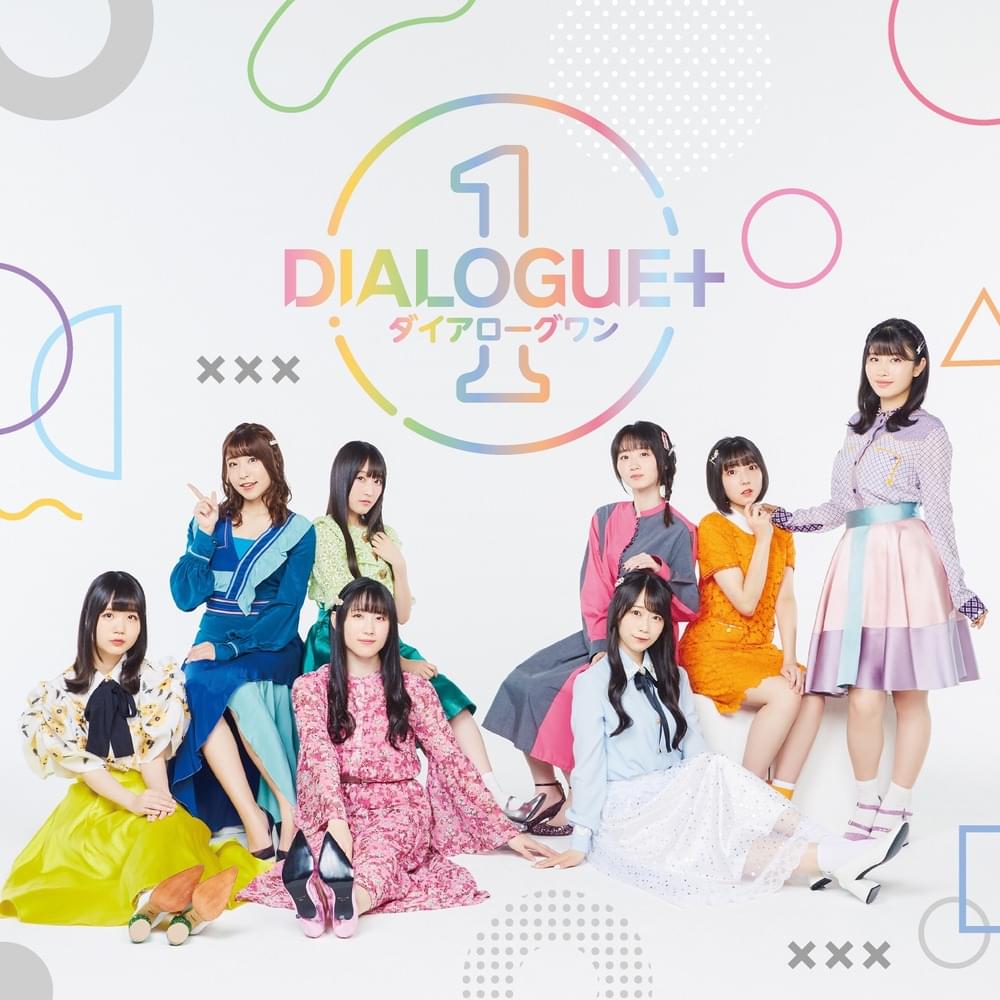
 View Artist