Song Meaning
The lyrics paint a picture of youthful uncertainty, a feeling of being lost in the transition from adolescence to adulthood. The narrator grapples with expressing their true feelings, facing blank spaces on an answer sheet and constantly rebuilding plans that fall apart. This internal struggle is amplified by the encroaching night, where the starlight seems to reflect their own hesitant self-assessment: "ちゃんと笑えてるかな" (Am I smiling properly?). The dominant emotional tone is one of anxious introspection, a deep-seated doubt about one's own present state and future direction.
The core tension lies in the gap between the desire for clear answers and the reality of ambiguity. Phrases like "携帯の地図じゃ探せない道筋" (paths you can't find on a phone map) and "最短距離って単語が皮肉に聞こえるな" (the word "shortest distance" sounds ironic) highlight this disconnect. The narrator questions where to go, what to do, and who to talk to in search of answers, emphasizing a feeling of being adrift without a clear destination or method. This search is further complicated by the realization that "夢見ることも簡単じゃない" (even dreaming isn't easy).
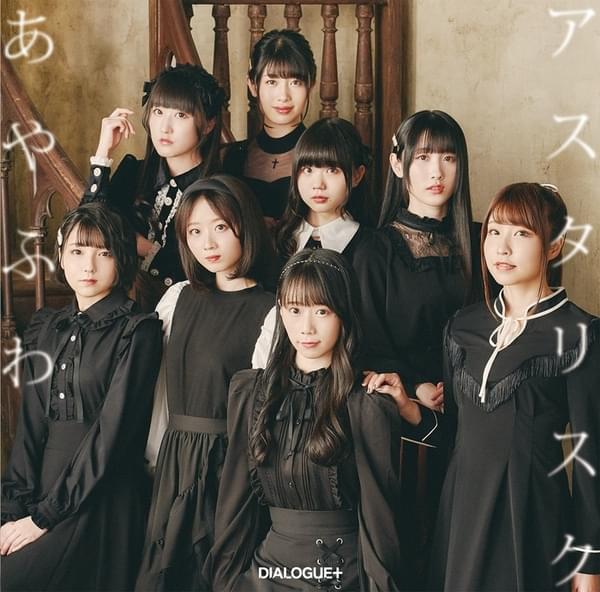
A striking lyrical device is the repeated use of "あやふわふや" (ayafuwafuya), a neologism that captures a state of being hazy, uncertain, or unsteady. This word perfectly encapsulates the narrator's "現在地" (current location) and their "切ない胸の温度" (painful chest temperature). The contrast between the desire for clarity and the pervasive "ayafuwafuya" creates a poignant emotional resonance. The bridge offers a glimmer of hope, suggesting that even amidst confusion, focusing on the "足元" (feet/footing) allows for gradual self-acceptance.
Ultimately, the effectiveness of these lyrics stems from their relatable portrayal of navigating life's uncertainties. The post-chorus offers a crucial message of self-compassion: "どうか自分のことは嫌いにならないで" (Please don't come to hate yourself). By acknowledging the "歯痒いまんま" (frustrating feeling) and the lack of clear paths, the song validates the experience of feeling lost while gently urging the listener to find their own "愛しいとこ" (lovable parts) and keep moving forward, even in a state of "ayafuwa".
 View Artist