Song Meaning
The lyrics paint a stark picture of urban monotony, following an individual (or perhaps the city itself) through a relentless daily grind. From crowded commutes to the office punch clock, a sense of quiet desperation permeates every line. The narrative captures the internal conflict of someone trapped in an unfulfilling routine.
A central tension emerges from the repeated internal monologue: "ela então concorda que tem que parar," yet "recorda que tem que lutar." This isn't just about physical exhaustion; it's a mental battle. The character acknowledges the need for change but feels compelled to persist, highlighting a profound struggle between personal desire and the perceived demands of survival within a system.
The craft here is subtle but impactful. The blurring of "ela" (she) with "a cidade" (the city) suggests a collective experience of conformity, making the individual's struggle universal. The phrase "mecanicamente ela mostra ter fé" is particularly striking, juxtaposing a robotic action with an abstract emotion, implying a forced, almost performative optimism. Even the detail of taking coffee "na Liberdade" (in Freedom) carries a poignant irony, underscoring the character's lack of true liberation.
Ultimately, these lyrics are effective because they build a suffocating atmosphere of suppressed emotion. The mundane details—"condução lotada," "magro sanduíche"—ground the abstract theme of conformity in relatable, visceral experiences. The climax, where she "tenta gritar" against what "lhe aperta e que lhe faz calar," only to "deserta começa a chorar" three times, is a raw, powerful release. It captures the quiet defeat when the weight of the routine finally breaks through the facade of endurance.
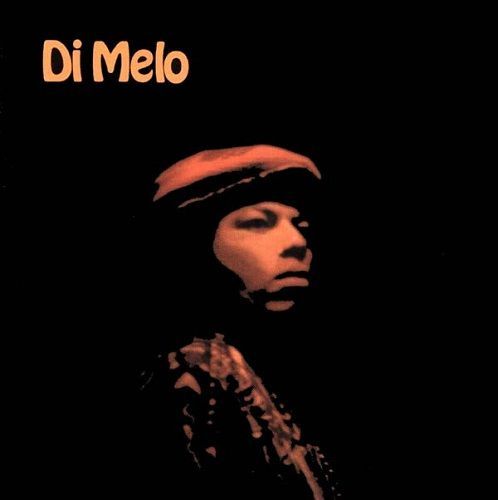
 View Artist