Song Meaning
The lyrics paint a stark, almost ritualistic scene centered on a figure yearning for the attention of a dominant "mistress." The repeated imagery of "shiny, shiny boots of leather" establishes a powerful, fetishistic aesthetic, immediately setting a tone of submission and desire. This isn't just about clothing; it's about the potent symbolism of the leather itself, suggesting a controlled, perhaps painful, form of devotion. The narrator, identified as "Severin," positions himself as a devoted servant, pleading for a "strike" that will "cure his heart," a paradoxical request that hints at a masochistic yearning for validation through pain.
The central tension lies in this dynamic of desperate supplication and the implied power imbalance. The "whiplash girlchild" and "dear mistress" are addressed with a mixture of reverence and desperation, as Severin awaits his fate. The lyrics suggest a complex emotional landscape where love and pain are intertwined, with the "costumes that she will wear" and "ermine furs" adding layers of opulent, almost theatrical, decadence to the scene. This opulent imagery contrasts sharply with the raw, almost primal pleas for attention and the imagery of the "tongue of thongs" and the "belt."
The repeated lines, "I am tired, I am weary / I could sleep for a thousand years," introduce a profound sense of exhaustion and longing that transcends the immediate scene. This weariness seems to stem from the unfulfilled desire and the arduous nature of his devotion. The "thousand dreams" that could "awake us" and the "different colors made from your tears" suggest a hope for transformation or release, where even the pain and sorrow could be transmuted into something beautiful or awakening. It’s a powerful, albeit bleak, vision of love as an all-consuming, potentially destructive force.
What makes these lyrics so arresting is their unflinching portrayal of a specific, intense emotional state. The precise, almost clinical descriptions of fetishistic objects, juxtaposed with the raw vulnerability of the narrator's pleas, create a disquieting yet compelling atmosphere. The repetition of key phrases, like the "shiny boots" and the weary refrain, hammers home the cyclical nature of this desire and the narrator's deep-seated exhaustion. The lyrics don't shy away from the darker, more complex aspects of human connection, offering a glimpse into a world where submission and pain are inextricably linked to a profound, if painful, form of love.
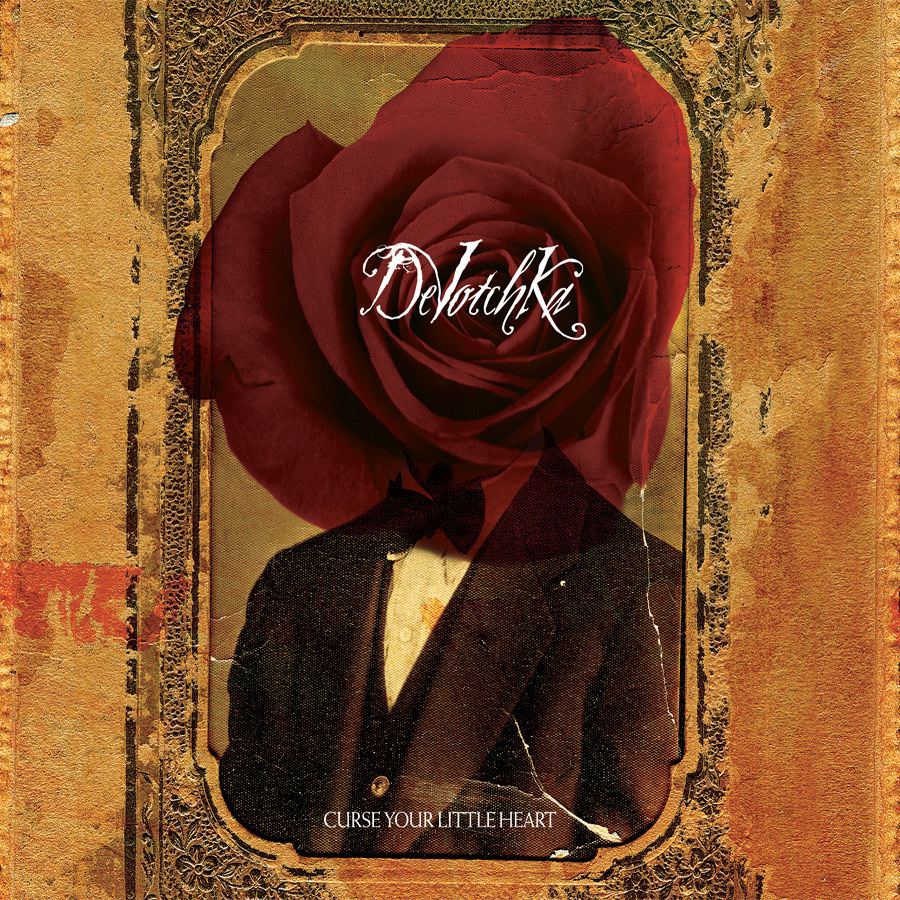
 View Artist