Song Meaning
The lyrics paint a picture of someone drawing a firm boundary against hardship and deceit. The repetition of "I draw the line" and "I walk the line" establishes a determined, almost defiant stance. This isn't about avoiding difficulty, but about choosing a specific path, one where "hard times are mine." It suggests a conscious acceptance of struggle as a consequence of maintaining integrity against "all the lies."
The central tension emerges in the narrator's perception of another person. "I see, I see you" indicates awareness, but this is immediately followed by a resolute refusal: "I'll never follow." This refusal is directed at both "lies" and, more surprisingly, "love," creating a complex emotional landscape. It implies that the path the narrator is choosing, while difficult, is one they must walk alone, even if it means rejecting connection or affection that feels compromised or leads astray.
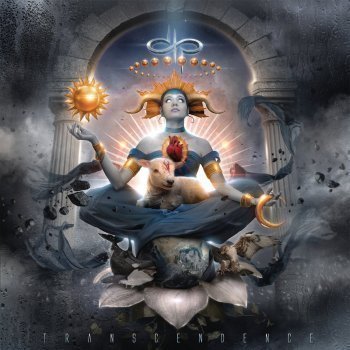
A striking element is the shift in the chorus, asking "Who transcends this?" The narrator's immediate and confident "I do" sets them apart. This isn't just about enduring hard times; it's about rising above them, achieving a state of transcendence. The phrase "Haul the line, all the minds" could suggest the effort required to pull oneself and others toward this higher state, or perhaps the collective struggle of consciousness itself.
This lyrical construction is effective because it grounds abstract ideas of integrity and transcendence in concrete, repeated actions and stark contrasts. The narrator's unwavering "I see you / But I'll never follow" is a powerful declaration of self-possession. It resonates by articulating the difficult, isolating choice to prioritize one's own path, even when it means turning away from what others might consider desirable, like love, in favor of a personal, hard-won elevation.
 View Artist