Song Meaning
The lyrics paint a picture of someone grappling with a profound sense of detachment and resignation. There's a recurring theme of "letting go" and "leaving it alone," suggesting a struggle to engage or perhaps a deliberate choice to disengage from something significant. The phrase "permanently allocate the maximum" feels like an attempt to set a boundary or commit to a state of being, but it's immediately followed by "leave it to go," creating a tension between commitment and surrender.
The dominant emotional tone is one of weary acceptance, bordering on melancholy. The narrator seems to be navigating a difficult internal landscape, described as "terminally out of phase and ill disposed." This isn't just a bad day; it's a state of being that feels deeply ingrained and perhaps beyond their immediate control. The repetition of "leave them alone" and "leave it alone" underscores a desire for separation, either from external influences or internal turmoil.
The most striking aspect is the juxtaposition of "letting go" with a sense of being "terminally out of phase." It suggests that this act of letting go isn't necessarily a path to peace, but rather a symptom of a deeper disconnect. The idea of "waterways of letting go" offers a fluid, almost natural image, yet it's contrasted with the stark, medical-sounding "terminally." This contrast highlights the complex, perhaps unavoidable, nature of the narrator's emotional state.
Ultimately, these lyrics resonate because they capture a specific kind of existential fatigue. It's the feeling of being adrift, of observing life from a distance, and of making peace with a state of being that feels both inevitable and isolating. The careful repetition and the subtle shifts in imagery create a mood that is both intimate and universally understood by anyone who has felt overwhelmed and chosen to simply step back.
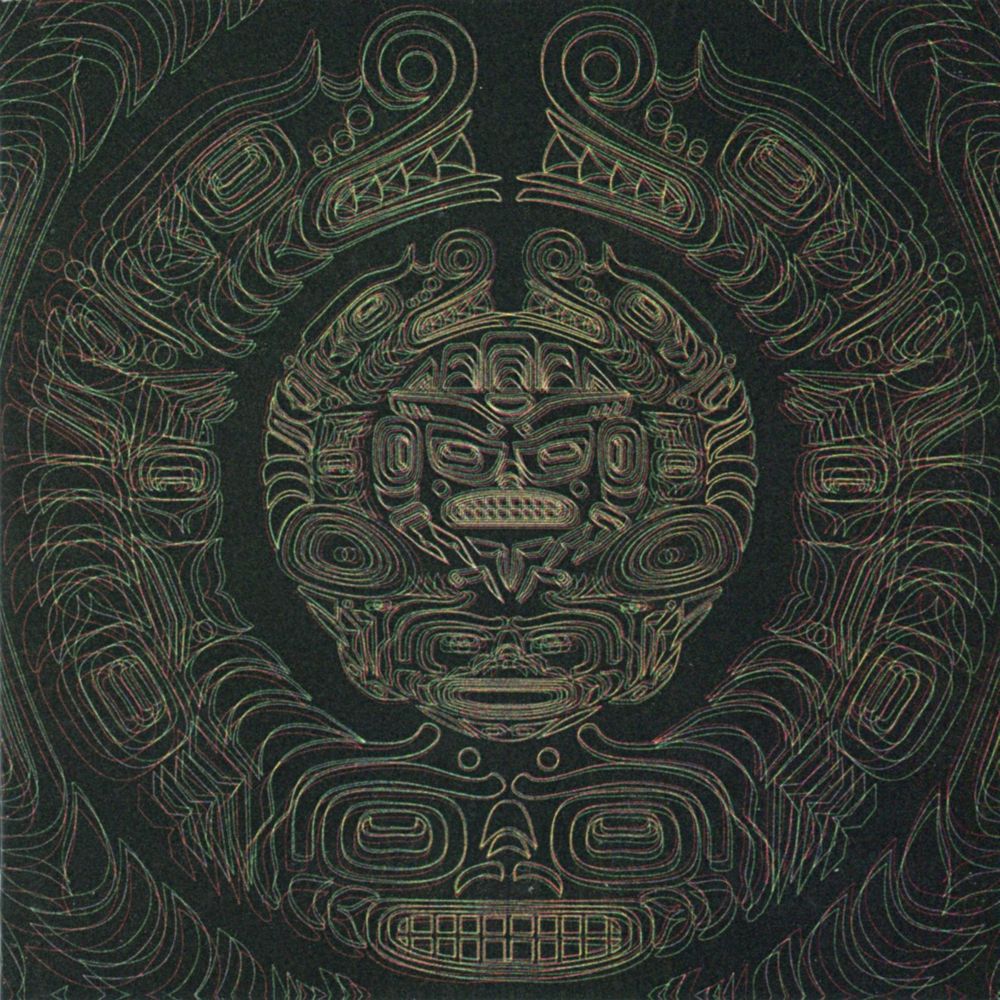
 View Artist