Song Meaning
Devendra Banhart's "This Is the Way" isn't a road map; it's a psychic weather report. The lyrics function less as narrative and more as a series of koans, each line a partially obscured glimpse into Banhart's internal landscape. Phrases like "This is the soup that I believe in / This is the smoke I'm always breathin'" suggest a devotion to the intangible, a finding of sustenance in the ephemeral. The repetition of "This is the way" implies not a singular path, but a constant state of being, a habitual mode of perceiving the world. It's a mantra of acceptance, even of things that might seem unpleasant, like serving a "sentence." The repeated lines "I know I know / I should lay low / I should stand tall" indicate an inner conflict, a struggle to navigate the expectations of both self and others.
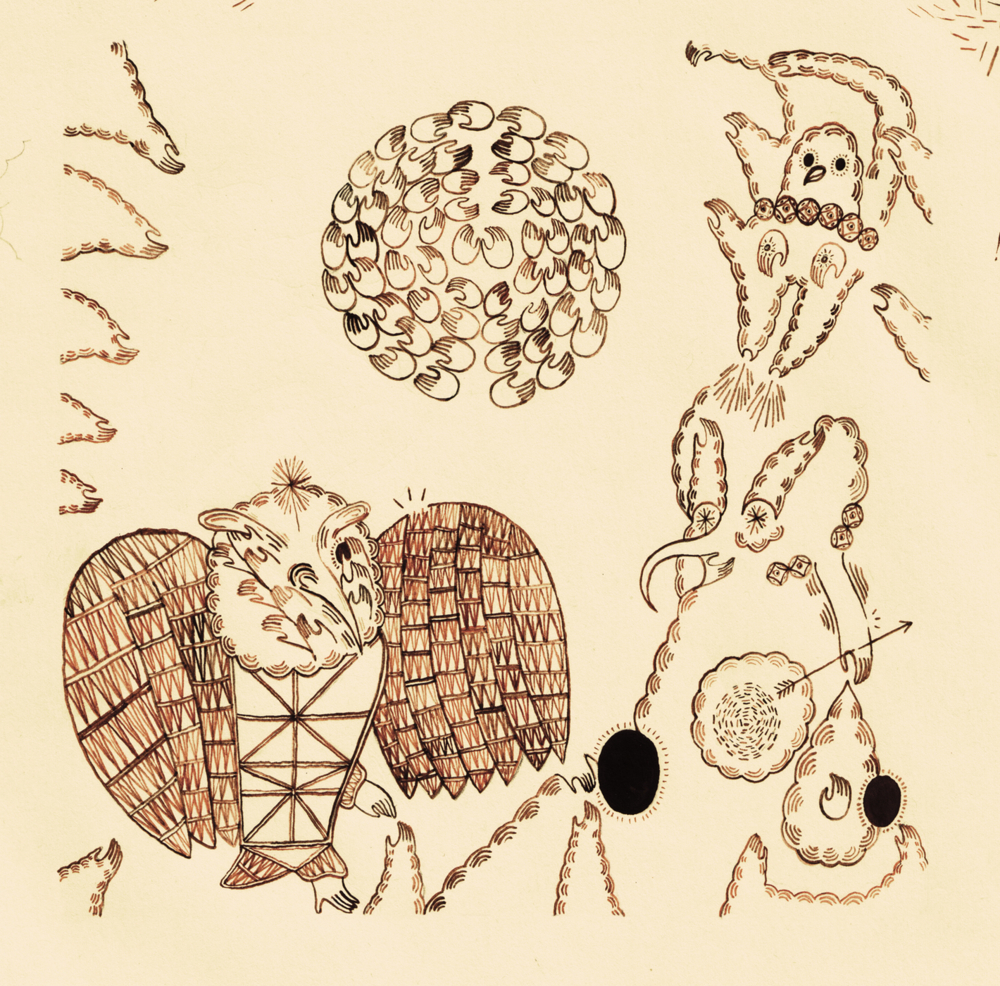
The imagery of beards, particularly "Her empress beards they float so holy," adds a layer of surreal, almost mystical depth. Beards, traditionally symbols of wisdom and masculinity, are here feminized and imbued with an ethereal quality. This could represent a connection to ancestral figures, a blurring of gender roles, or simply an appreciation for the beauty of the unconventional. The line "These are the flames that drown the water" is a striking paradox, hinting at the destructive potential of passion or the transformative power of chaos. It's a reminder that the things we perceive as opposites can often coexist and even amplify each other.
Ultimately, the song meaning of "This Is the Way" resides in its ambiguity. Banhart offers a series of evocative images and open-ended statements, inviting the listener to project their own experiences and interpretations onto the lyrical framework. The song’s circular structure, both musically and thematically, reinforces this sense of continuous return and re-evaluation. The final lines, "Well we've known we've known / We've had a choice / We chose rejoice," suggest an active embrace of life's complexities, a conscious decision to find joy even amidst the uncertainty and contradictions that define the human experience. It's not about finding the right way, but about choosing to rejoice in the way things are.
 View Artist