Song Meaning
Devendra Banhart's "Meet Me at Lookout Point" unfurls like a half-remembered dream, a fable whispered across generations. The song's opening stanzas suggest a primal narrative, predating even the familiar world ("Before the song / Made the world we know"). This hints at an origin story, a foundational mythos passed down with the solemn instruction "to not forget." The "candle was lit / That your father is in" evokes a spiritual presence, a lineage deeply intertwined with the very fabric of existence. It’s a potent image of ancestral guidance, suggesting that the past is not merely history but an active force.
The titular lookout point becomes a liminal space, a vantage from which to survey the dualities of existence: "The sun up on high / The moon down on low." This positioning implies a search, a yearning to reconcile opposing forces. The repeated refrain, "I know / My heart will find you," speaks to an unwavering faith in connection, a belief in the heart's capacity to navigate the unknown. This isn't merely romantic love; it’s a deeper resonance, a soul-level recognition that transcends physical presence.
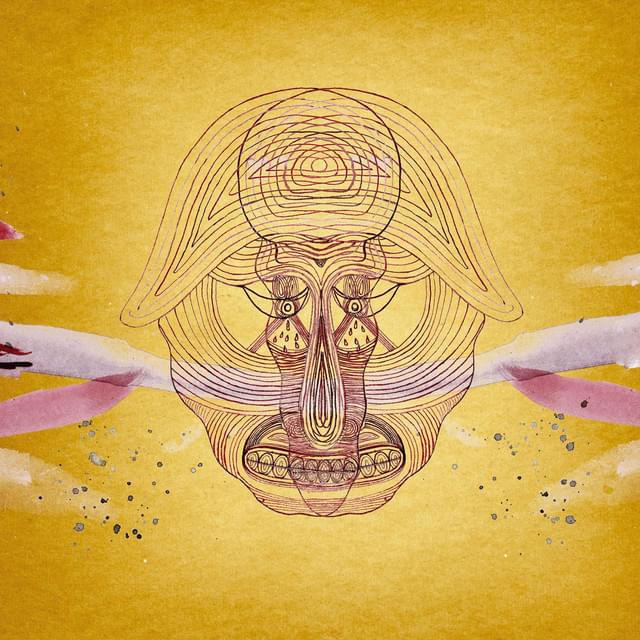
However, the lyrics take a turn toward the enigmatic with lines like "We're drawn into / The headless who knows." This cryptic phrase introduces an element of the surreal, a descent into the subconscious. The "headless" figure suggests a loss of identity or reason, perhaps indicating that true understanding lies beyond the realm of logic. The song concludes with a subtle shift: "I know / Your heart is here / I know / Your heart is hearing." The focus turns from the seeker to the sought, implying that the connection is reciprocal, and that the answer lies not in relentless pursuit but in receptive presence. Ultimately, Banhart crafts a sonic tapestry that explores themes of ancestral wisdom, the search for connection, and the acceptance of the unknown, all viewed from a symbolic lookout point on the edges of conscious thought.
 View Artist