Song Meaning
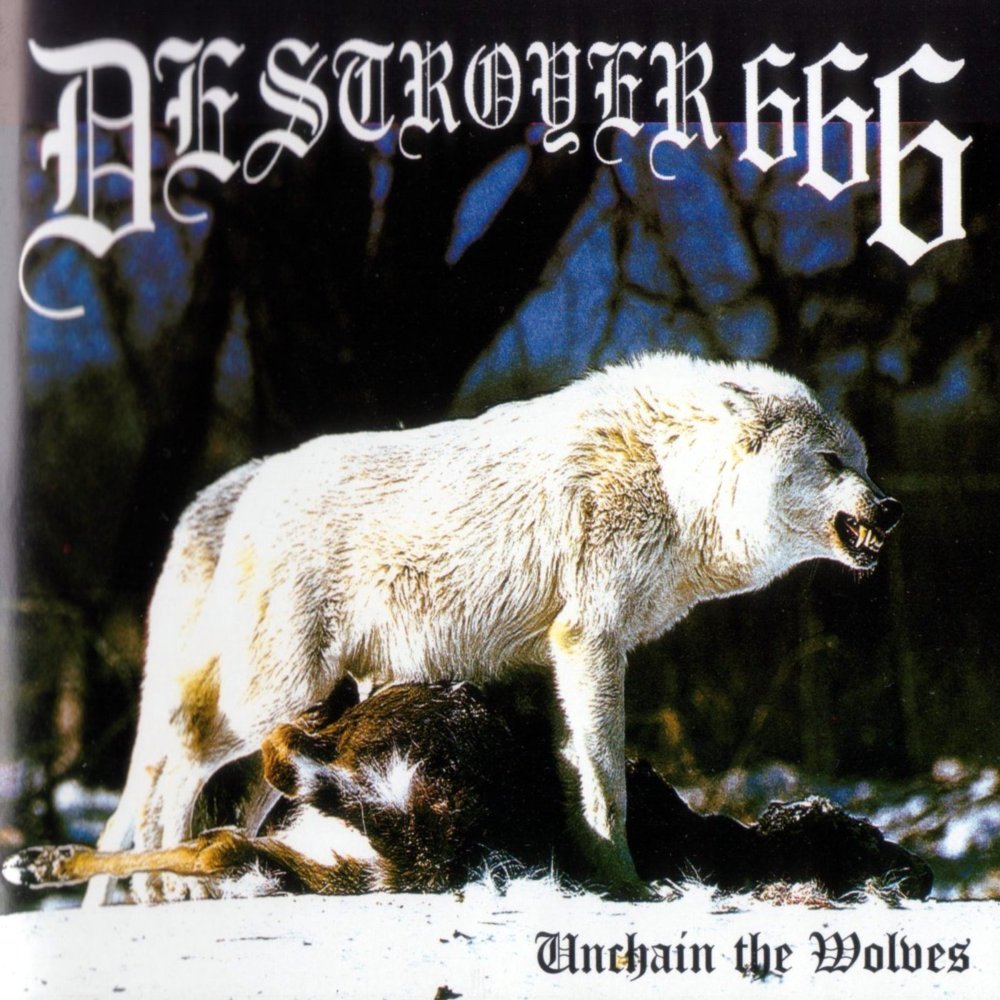
The lyrics paint a stark picture of impending doom, driven by a sense of inherited loss. The repeated phrase "Onward to Arktoga" acts as a desperate, almost ritualistic chant, a destination that feels more like an escape or a final stand than a hopeful future. The narrator identifies as "the son of this creature" and "a world at its loss," immediately establishing a lineage tied to decay and decline. This feeling of isolation is amplified by the "lonely man's growl" and the "lonely wolf's howl," primal sounds that underscore a profound solitude amidst the unfolding catastrophe.
The central tension lies in the observation of societal collapse. The repeated line "We are watching civilization, falling to it's knees" is a chillingly passive declaration, suggesting a helplessness in the face of overwhelming forces. This isn't an active struggle but a grim witnessing of an end. The narrator's self-identification as "the son of this future" and "the son of a world at its loss" creates a cyclical narrative of ruin, where each generation inherits the consequences of the past, destined to watch it crumble further.
The most striking craft element is the juxtaposition of endings and beginnings. The lyrics lament "a lost age" and "the lost knoll," yet simultaneously "Hail the coming of a new age." This hopeful pronouncement is immediately undercut by the conditional "If we survive," injecting a heavy dose of realism and doubt. The repetition of civilization's fall emphasizes the gravity of the situation, making the call for a new age feel like a desperate plea rather than a confident prophecy.
Ultimately, the effectiveness of these lyrics stems from their raw, unadorned portrayal of existential dread. The simple, declarative statements and the primal imagery create an atmosphere of bleak finality. The narrator isn't offering solutions, but bearing witness to an end, their identity forged in the ashes of a dying world. The faint glimmer of hope, "Hail the coming of a new age," is so fragile, so dependent on survival, that it only serves to highlight the overwhelming sense of loss and the terrifying uncertainty of what comes next.
 View Artist