Song Meaning
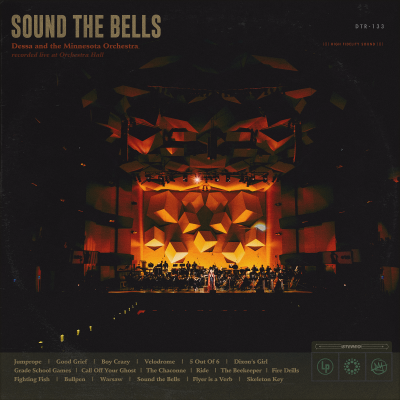
Dessa's "Boy Crazy (Live)" isn't a simple declaration of infatuation; it's a dissected, almost clinical examination of the *performance* of being boy crazy, and the vulnerabilities it exposes. The opening lines, "You've got wheels beneath the knee / Just my type, all built for speed," immediately establish a knowing, self-aware tone. It's less about genuine, uncontrollable attraction and more about recognizing a pattern, a pre-programmed response to a certain type. The "wheels beneath the knee" suggest a kinetic energy, an almost frantic quality in the object of affection – a quality Dessa seems both drawn to and wary of.
The chorus, a repetitive mantra of "I'm just boy crazy," becomes increasingly ironic as the song progresses. It's not a celebration, but an admission, delivered with a hint of self-deprecation. The verses that follow delve into the aftermath of this perceived crush, revealing a sense of foolishness and a reckoning with the idealized future she'd imagined. The lines "Like some amateur / In plastic pearls / Younger girls' perfume" are particularly biting, suggesting a feeling of inadequacy and a fear of appearing naive or inexperienced in the game of love. There's a sharp contrast between the persona of the confident, worldly artist and the vulnerable, almost childlike yearning she expresses.
The bridge, with its repeated plea, "Don't make me say it / I know what it was / Can't you just let me call it a (crush?)," is the song's emotional core. It speaks to the universal desire to simplify complex feelings, to categorize them in a way that makes them manageable. But Dessa refuses to let herself off the hook. She acknowledges the potential for something deeper, something more significant than a mere crush, but also recognizes the inherent power imbalance and the inevitable disappointment. The final verses, with lines like "Thought you were leaning in / I thought it might mean something," underscore the precariousness of hope and the ease with which one can be swept off their feet, only to be left questioning the reality of the connection. In essence, "Boy Crazy" is a deconstruction of romantic tropes, a confession of vulnerability, and a wry commentary on the performance of desire.