Song Meaning
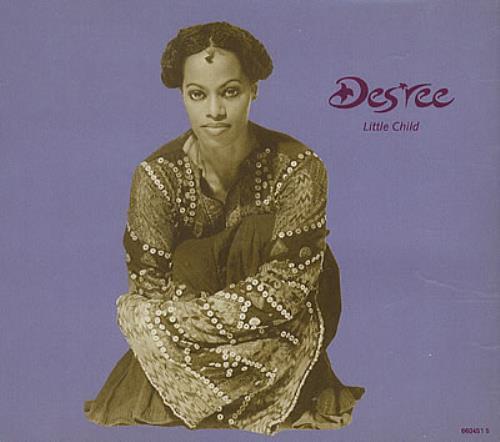
These lyrics open with a stark, empathetic gaze at a "Little child" whose pain is palpable, quickly revealing the shocking reality that this "frail and small" fifteen-year-old "hasn't got far to go." It's an immediate, gut-wrenching scene of youth facing an untimely end. The emotional texture is one of profound sorrow and a desperate sense of helplessness.
The central tension here lies in the contrast between overwhelming, widespread suffering and a fragile, almost ritualistic response. The repeated "Yes, we'll cry" and "Babies scream" paints a grim picture of lost potential, yet the narrator asks, "Shall we dance?" This isn't a dance of joy, but a defiant, perhaps desperate, act of communal lament, hoping the "sky will hear our song" and bring "rain"—a metaphor for relief or change that's been "much too long" in coming.
The lyrics then broaden the scope of tragedy, citing "Mother's die, leaving hungry mouths behind," a fatalistic observation that "God wants them by His side." This shifts the focus from individual loss to a societal crisis, yet immediately pivots to a call for collective action: "It's up to me, it's up to you." The repeated "Visualize and pray" suggests a spiritual component to this fight, but the final stanza grounds it firmly in the physical world.
The plea to "Dry land, open up and let me in" is a powerful personification, begging the earth to acknowledge or absorb the unfolding catastrophe. The insistent repetition of "plenty, plenty, Plenty of work to do" underscores the immense scale of the challenge, culminating in a resolute declaration: "This can't go down as another disaster in history." It's a powerful refusal to accept the status quo, transforming grief into a demand for urgent, tangible intervention.
 View Artist