Song Meaning
The narrator is consumed by anticipation for a specific person's arrival, to the point where their own holiday celebration hinges entirely on this reunion. The festive atmosphere outside contrasts sharply with their internal state of longing. Every knock on the door brings a surge of hope, quickly dashed when it's just carolers, not the awaited guest. This recurring disappointment transforms the traditional sounds of celebration into sources of pain.
The core tension lies in the collision of external festivity and the narrator's private despair. The lyrics paint a picture of someone isolated within a communal celebration, their joy contingent on a single, absent presence. The repeated phrase 'Καλήν ημέραν άρχοντες' (Good day, lords) sung by the carolers, initially a polite greeting, becomes a painful reminder of the narrator's unmet expectations and the hollowness of the holiday without their loved one.
The most striking element is how the narrator reinterprets the Kalanta. Instead of a joyful tradition, the carols become harbingers of further disappointment. The narrator's plea, 'Τα κάλαντα αν μου πουν ξανά / Θα μου ραγίσουν την καρδιά' (If they sing the Kalanta to me again / My heart will break), transforms the song's purpose from a blessing to a potential source of further heartbreak. This inversion highlights the depth of their sorrow.
This lyrical construction is effective because it grounds a profound sense of personal loss within a universally recognized cultural event. The familiar sounds of the Kalanta are twisted into symbols of the narrator's isolation and dashed hopes, making their specific pain feel intensely palpable. The contrast between the expected joy of the holiday and the narrator's actual experience creates a powerful emotional resonance.
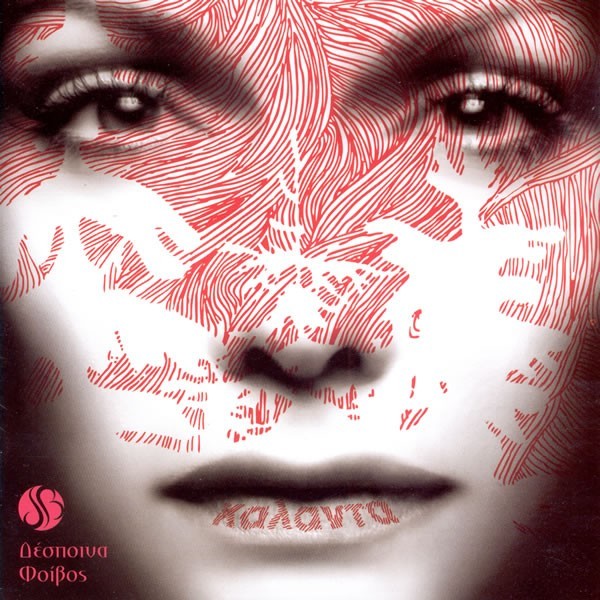
 View Artist