Song Meaning
The lyrics paint a stark picture of a relationship where the narrator feels they've borne the brunt of the cost, both emotionally and perhaps materially. The opening lines immediately establish a sense of unfair burden, with the narrator stating, "Whatever you did, I paid double for it." This sets a tone of deep resentment and perceived injustice. The narrator's own actions, no matter how well-intentioned, are framed as ultimately leading to a "fateful" outcome, leaving them with only a "wounded heart" that blames them for everything.
The central tension lies in this imbalance of sacrifice and blame. The narrator insists they didn't ask for much, and their love was genuine, having given "both body and heart." Yet, the other person had the audacity to claim the narrator was at fault for everything. This accusation, especially coming from someone who seemingly benefited from the narrator's devotion, fuels the core conflict and the feeling of betrayal.
The relentless repetition of "Ακριβά, ακριβά" (Expensive, expensive) in the chorus hammers home the narrator's central grievance. It's not just about money; it's about the immense emotional toll and the feeling of being exploited. The phrase "Σ' έχω πληρώσει ακριβά" (I have paid dearly for you) becomes an anthem of regret and a declaration of the unsustainable price paid for this connection. The contrast between the narrator's profound sacrifice and the other person's perceived lack of accountability is the driving force behind this lament.
Ultimately, these lyrics resonate because they tap into the universal pain of unreciprocated effort and unfair blame within a relationship. The stark, direct language and the insistent refrain create a powerful sense of emotional exhaustion and bitter realization. The narrator's lament isn't just about a past relationship; it's a raw expression of the cost of loving someone who doesn't value that love in return, leaving them with nothing but the painful echo of self-recrimination.
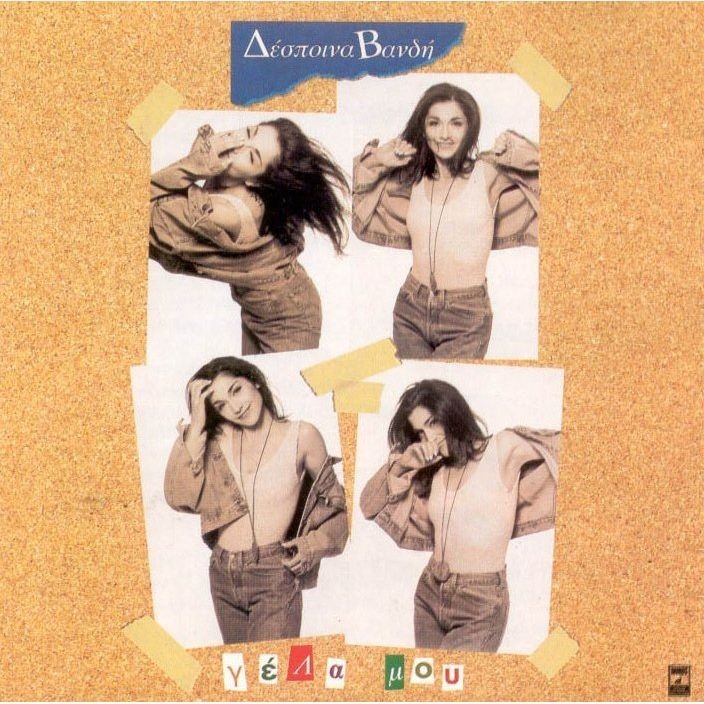
 View Artist