Song Meaning
The lyrics to "Es lebe der Schlaf" present a fascinating paradox, celebrating sleep even as it seems to be a source of constant wakefulness and exhaustion. The speaker appears trapped in a cycle where the boundary between waking and dreaming blurs. There's a palpable sense of weariness and a longing for something just out of reach.
At its core, the piece grapples with a profound sense of disillusionment. The speaker repeatedly dreams of connection ("dir zu begegnen") or self-preservation ("mein Leben rette"), only for these visions to dissolve into something "falsch" (wrong) or "wild" (chaotic). This recurring pattern highlights a struggle to find stability or meaning, with dreams offering only fleeting, ultimately unfulfilled hope.
The central irony of the repeated phrase "Es lebe der Schlaf" (Long live sleep) is particularly striking. It's immediately followed by contradictions like "Wochenlang hält er uns wach" or the admission of sleeping "den ganzen Tag" and "die Nacht." This clever subversion suggests that sleep isn't a peaceful escape but rather an oppressive force, a state of being that paradoxically exacerbates the speaker's exhaustion and keeps them from true rest or clarity.
The lyrics effectively convey a deep-seated fatigue and a feeling of life spiraling without direction. Images of "Viel zu viele Zigaretten" and "Viel zu viel ohne Ziel" paint a vivid picture of a listless existence. The ultimate descent into "Ohnmacht" (fainting) underscores the sheer physical and mental toll, making the speaker's desperate, ironic praise of sleep feel less like celebration and more like a surrender to an overwhelming, inescapable state.
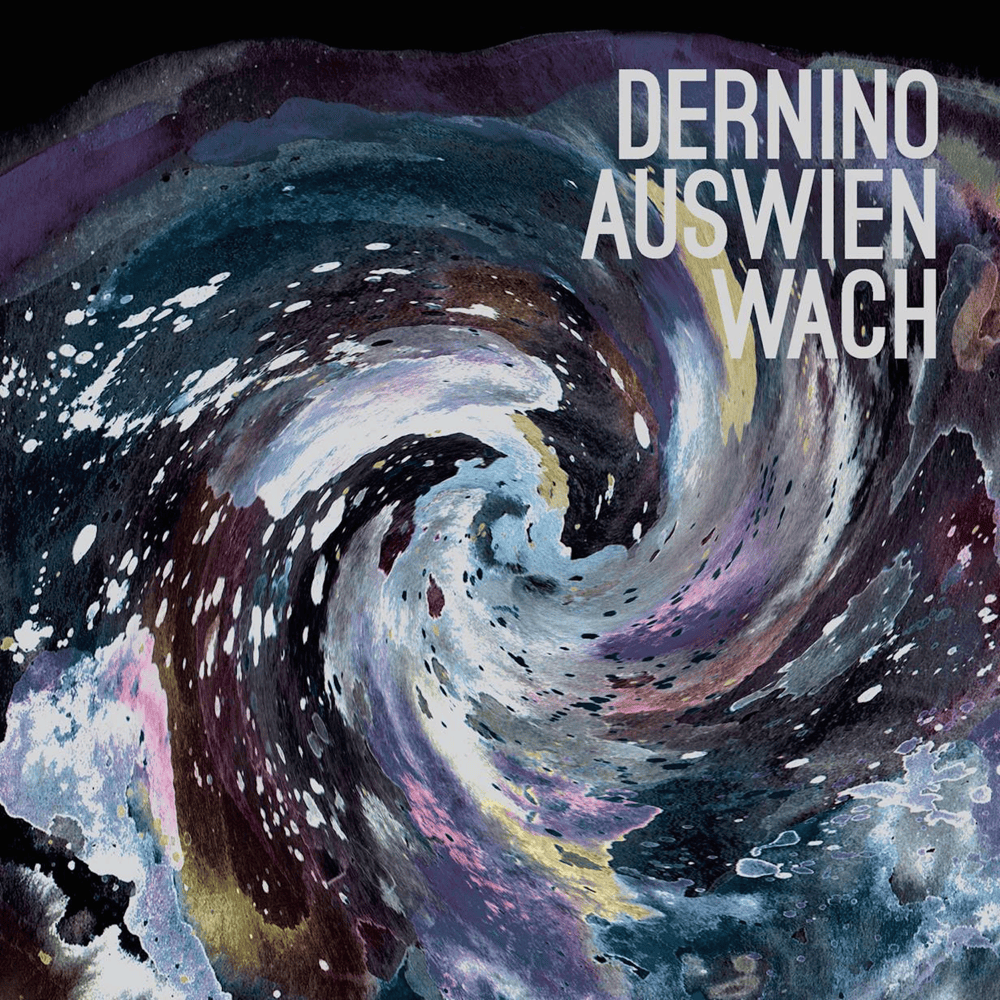
 View Artist