Song Meaning
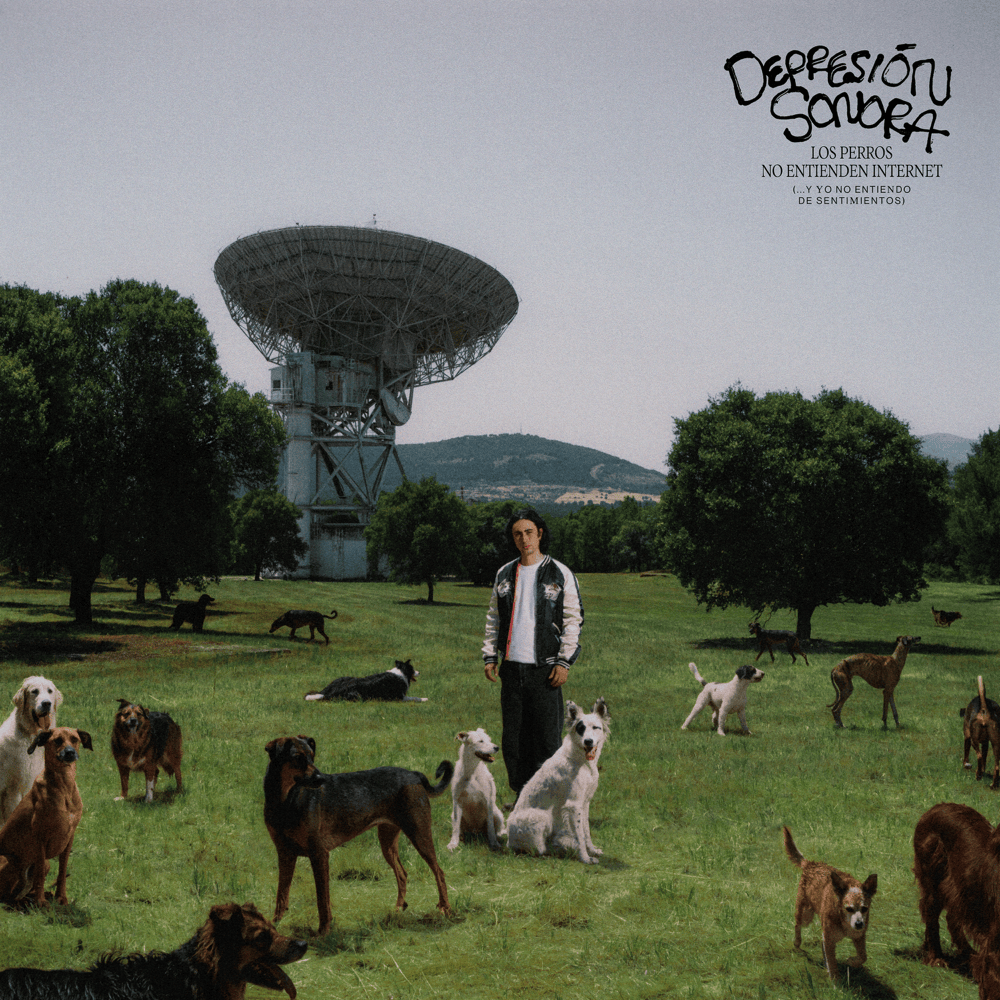
The lyrics paint a picture of a shared, perhaps illicit, experience, starting with a "map of the center" leading to a place "where the dogs dance." This setting feels primal and escapist, a space for "playing like Indians and never more cowboys," suggesting a shedding of conventional roles for something more raw and uninhibited. The immediate regret, however, is stark: "What a shame we're going to forget this moment." This sets a tone of transience and impending loss, a feeling amplified by the abrupt shift in identity.
The core tension lies in the transformation from human to something less, a descent into a more animalistic state. The line "You had the curiosity, now we are dead" implies a forbidden exploration that has led to a kind of existential demise. The repetition of "Now we are dogs" isn't just a metaphor for being subservient or base; it seems to signify a loss of higher consciousness or a surrender to instinct after crossing a threshold. This transformation is framed as a consequence of seeking novelty.
The most striking element is the relentless, almost desperate, repetition of "I want to learn something new in this old body." This refrain, hammered home eight times, creates a powerful sense of urgency and perhaps futility. It contrasts sharply with the preceding imagery of regression and loss of self. The narrator seems trapped, yearning for growth or change within a physical form that feels limiting, especially after the implied degradation of their recent experience. The repetition itself becomes a kind of mantra, highlighting a deep-seated dissatisfaction and a desire for redemption or renewal that feels increasingly out of reach.
This lyrical passage resonates because it captures a specific, unsettling feeling: the bittersweet aftertaste of a transgressive experience. The initial thrill of breaking free and exploring a hidden, primal space is immediately undercut by the fear of forgetting and the unsettling realization of a profound, possibly irreversible, change. The insistent repetition of the desire to learn something new in an "old body" underscores a universal human struggle with aging, regret, and the search for meaning, even after one has perhaps strayed too far from the path.
 View Artist