Song Meaning
The lyrics paint a picture of someone adrift, consumed by anxiety and a desperate need for a definitive emotional response. The opening lines, "Varado en el mar / Solo pienso en cómo estarás," immediately establish a sense of isolation and obsessive thought about another person's state. This feeling is amplified by the imagery of "cassettes de punk / Gritando no puedo dormir," suggesting a chaotic internal landscape that prevents peace. The narrator seems to be grappling with the uncertainty of a past relationship, where even seasons like "aquel año que no hubo abril" become markers of a lost or altered time. The dominant tone is one of restless paranoia, a stark contrast to the imagined happiness of the other person, who "bailas para ser feliz."
The core tension lies in the narrator's inability to process ambiguity, leading to a plea for even negative validation. The repeated demand, "Dime que me odias," isn't a genuine desire for hatred, but rather a desperate attempt to break through indifference or silence. This is underscored by the lines "¿Cuáles son tus fobias? / Vivo de paranoias," revealing a mind trapped in a cycle of suspicion and fear. The narrator appears to crave any strong emotion directed at them, as it signifies a connection, however painful, over the void of not knowing. The desire for "gloria / Una tumba grande / Y mil historias" hints at a yearning for significance, even if it's through infamy or a dramatic end.
The most striking aspect of the craft is the juxtaposition of external chaos with an internal plea for clarity. The narrator observes the other person dancing for happiness while they themselves are stuck in a loop of "zig zags, tic tacs," a frantic rhythm mirroring their racing thoughts and the relentless march of time, "El tiempo nos va diciendo adiós." The contrast between the desire to "descubrir el jardín / En busca de una raíz" for understanding and the violent impulse to "descargarme un subfusil" highlights a deep internal conflict. This struggle between seeking peace and succumbing to destructive urges makes the narrator's request for hatred feel like a desperate, almost logical, outcome of their internal turmoil.
Ultimately, these lyrics resonate because they articulate the profound discomfort of emotional limbo. The narrator's fixation on a definitive, even negative, answer stems from a fear of being forgotten or insignificant. The raw, almost childlike insistence on being told something, anything, "Dime que me odias," captures a universal human struggle with uncertainty and the desperate need for acknowledgment. The writing effectively uses fragmented imagery and a driving, repetitive chorus to convey a sense of being overwhelmed and on the brink, making the plea for hatred a powerful expression of emotional desperation.
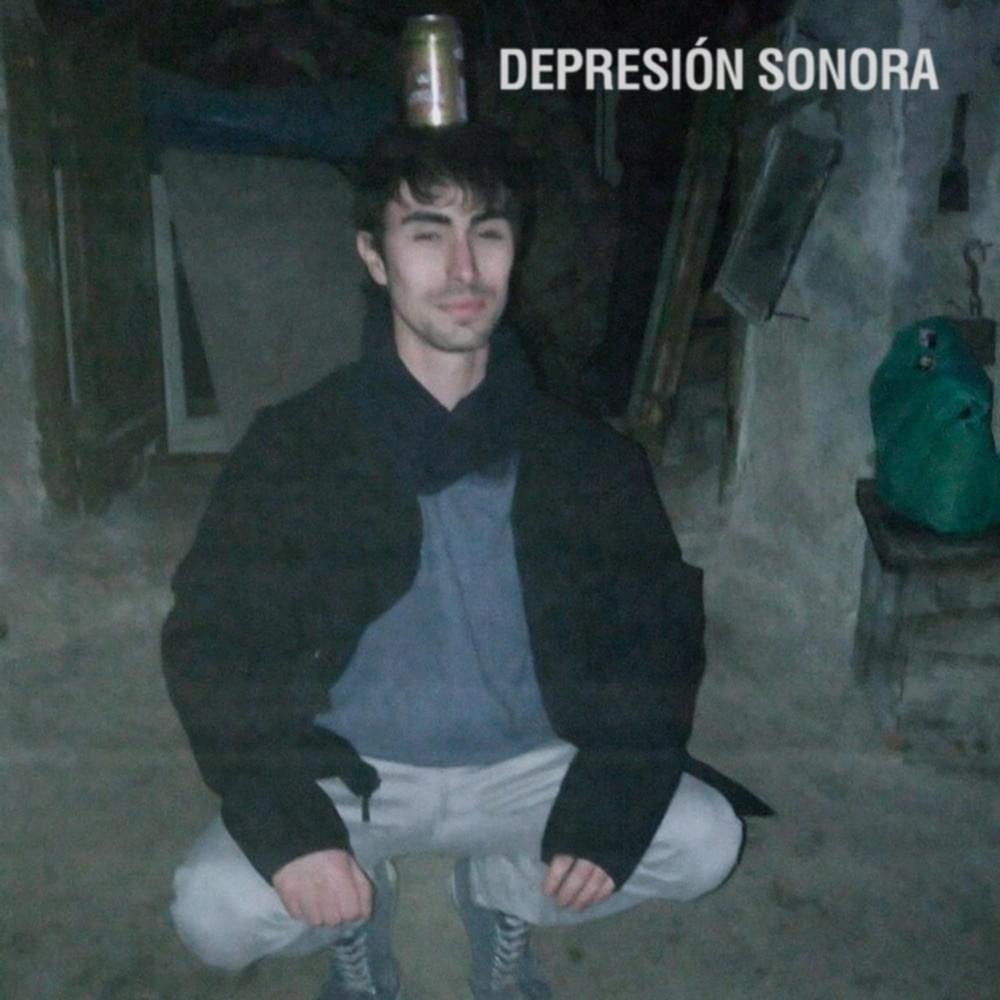
 View Artist