Song Meaning
The lyrics paint a picture of a solitary fisherman, paddling upstream in his humble canoe, armed with his net. The repetition of "Subiendo la corriente" establishes a sense of determined, perhaps arduous, effort. He's heading towards the beach, where the moon awaits him, described as "sonriente" (smiling) and radiating "mágico esplendor" (magical splendor). This personification of the moon suggests a gentle, almost welcoming, natural world observing his journey.
The core tension lies in the fisherman's perceived lack of material wealth versus his deep connection to his craft and the natural elements. The repeated lines, "El pescador no tiene fortuna / Solo su atarraya" (The fisherman has no fortune / Only his net), starkly contrast with the richness of his interactions. He "habla con la luna" (speaks with the moon) and "habla con la playa" (speaks with the beach), indicating a spiritual or emotional wealth that transcends financial status. This dialogue with nature elevates his solitary existence.
The song's structure, particularly the repeated refrain, hammers home the central theme of his humble means. Yet, the narrative also briefly shifts to "los pescadores" (the fishermen) heading to "el puerto de sus amores" (the port of their loves), hinting at a community and a place of belonging tied to their work. The mention of composing the cumbia "una mañana de sol" (on a sunny morning) adds a touch of personal reflection from the songwriter, framing the song itself as a tribute born from simple, bright inspiration.
Ultimately, the lyrics resonate by highlighting a profound dignity in labor and a deep, almost mystical, communion with nature. The fisherman's lack of "fortuna" is presented not as a tragedy, but as a simple fact that doesn't diminish the richness of his life or his connection to the world around him. The song celebrates a quiet strength and an intrinsic value found in his solitary, sun-drenched existence.
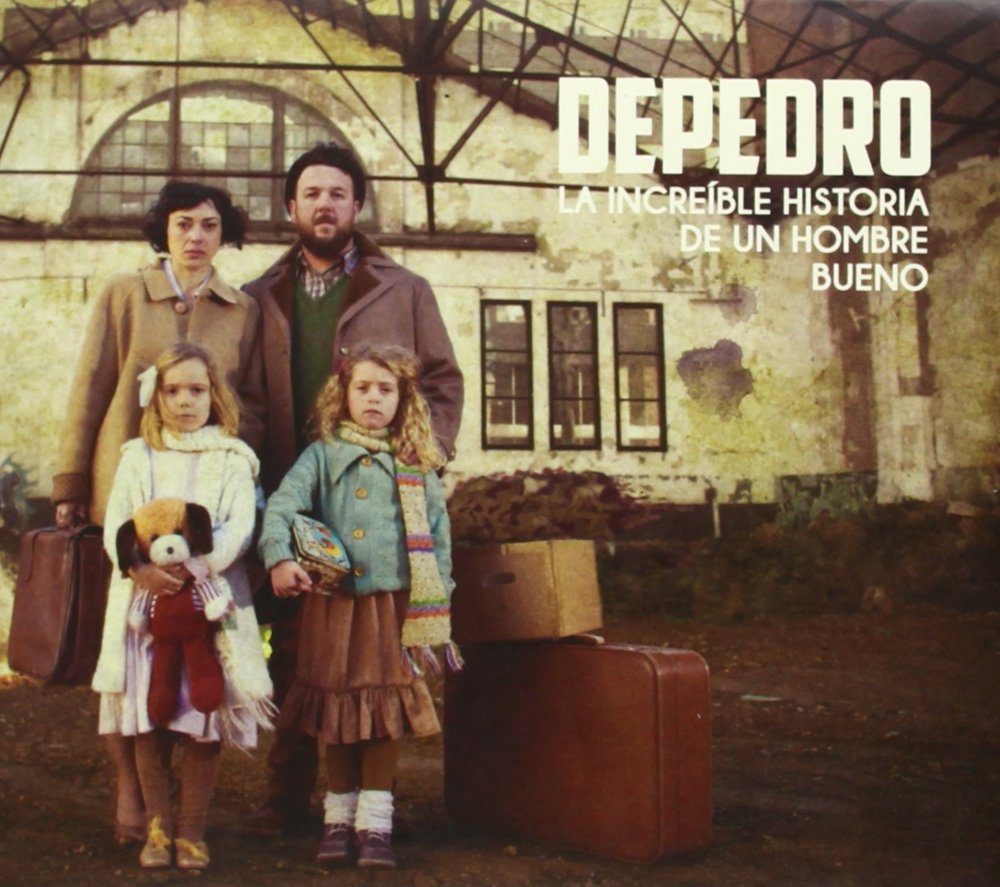
 View Artist