Song Meaning
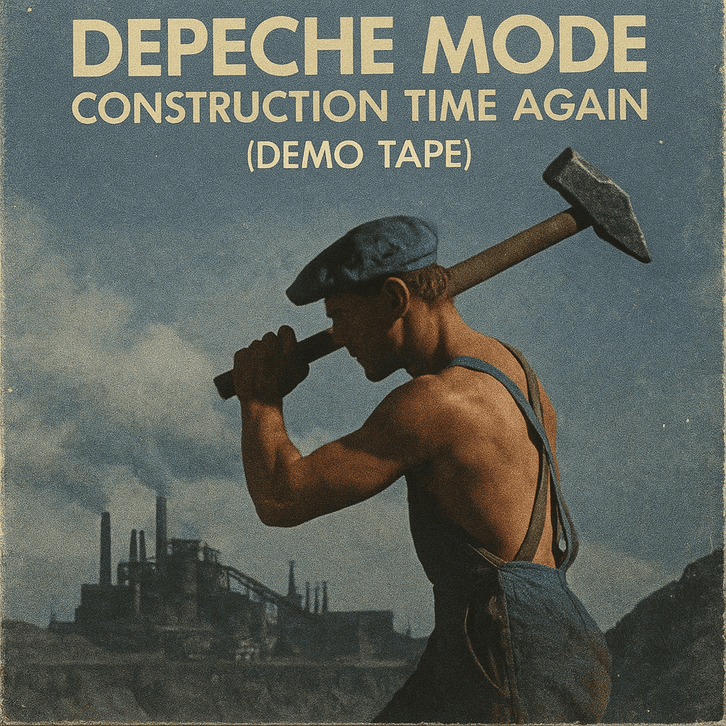
The lyrics paint a picture of radical dissatisfaction with the current state of the world, suggesting a desire for complete deconstruction and a fresh start. The opening lines, 'Let's take a map of the world / Tear it into pieces,' immediately establish a tone of wanting to dismantle everything. This isn't just about minor adjustments; it's about a fundamental reset, a belief that the existing structure is so flawed that it must be obliterated. The repeated chorus, 'To pull it all down and start again,' hammers home this core idea of wholesale demolition and reconstruction.
The central tension lies in the narrator's precarious hope for a better future, juxtaposed with a deep-seated pessimism. They express a preference 'To think that things couldn't turn out worse,' which is a bleak form of optimism. It implies a recognition that the current situation is dire, and any change, even a chaotic one, might be an improvement. This isn't a confident march towards progress, but a desperate leap of faith born from a belief that the status quo is unbearable.
The lyrics employ striking imagery of global deconstruction and reconstruction. The idea of tearing a 'map of the world' into pieces is a powerful metaphor for dismantling established orders and boundaries. Later, the narrator suggests letting 'all the boys and the girls / Shape it in their hands,' which implies a desire for a more collective, perhaps naive, approach to rebuilding. The bridge offers a moment of ironic reflection on travel, where despite physically moving across the world, the narrator 'hadn't gone far,' suggesting that external journeys can't fix internal or systemic issues.
This song resonates because it taps into a widespread feeling of being overwhelmed by the world's problems and a yearning for a simpler, more manageable existence. The direct, almost childlike, call for 'Universal Revolution' combined with the hesitant hope for improvement creates a compelling emotional arc. It's the sound of someone looking at a broken system and saying, 'We have to break it more to fix it,' a sentiment that feels both radical and strangely comforting in its honesty.
 View Artist