Song Meaning
The lyrics paint a stark picture of a relationship tested by physical intimacy, immediately establishing a tone of precariousness. The opening lines, "Inchioda le tue labbra su di me / Io farò lo stesso," suggest a desperate, almost forceful attempt to connect, a challenge to see how long this closeness can last. This sets up an immediate tension: the act of kissing is framed not as affection, but as a test of endurance.
The central conflict emerges as this physical connection inevitably fails. The fall is described with a powerful, almost violent image: "Quando poi non tiene più si cade giù / Come una mensola piena di libri." This simile is striking, comparing the collapse of intimacy to a shelf of books giving way. The books themselves, representing shared knowledge or experiences, are rendered useless, highlighting a sense of wasted effort and obsolescence.
The most potent craft element is the final, abrupt statement: "Che non servono più / Fanno curriculum." This phrase recontextualizes the failed relationship and its discarded experiences. They aren't just forgotten; they are cataloged, becoming part of a 'curriculum' – a record of what has been learned or endured, even if it's painful. The shift from personal collapse to a detached, almost bureaucratic listing is jarring and thought-provoking.
This lyrical construction is effective because it transforms a moment of personal failure into a broader commentary on how we process and archive our experiences. The unexpected turn to 'curriculum' makes the listener reconsider the purpose and storage of past relationships and their lessons. It suggests that even broken connections contribute to our ongoing narrative, shaping what comes next in a way that feels both inevitable and strangely impersonal.
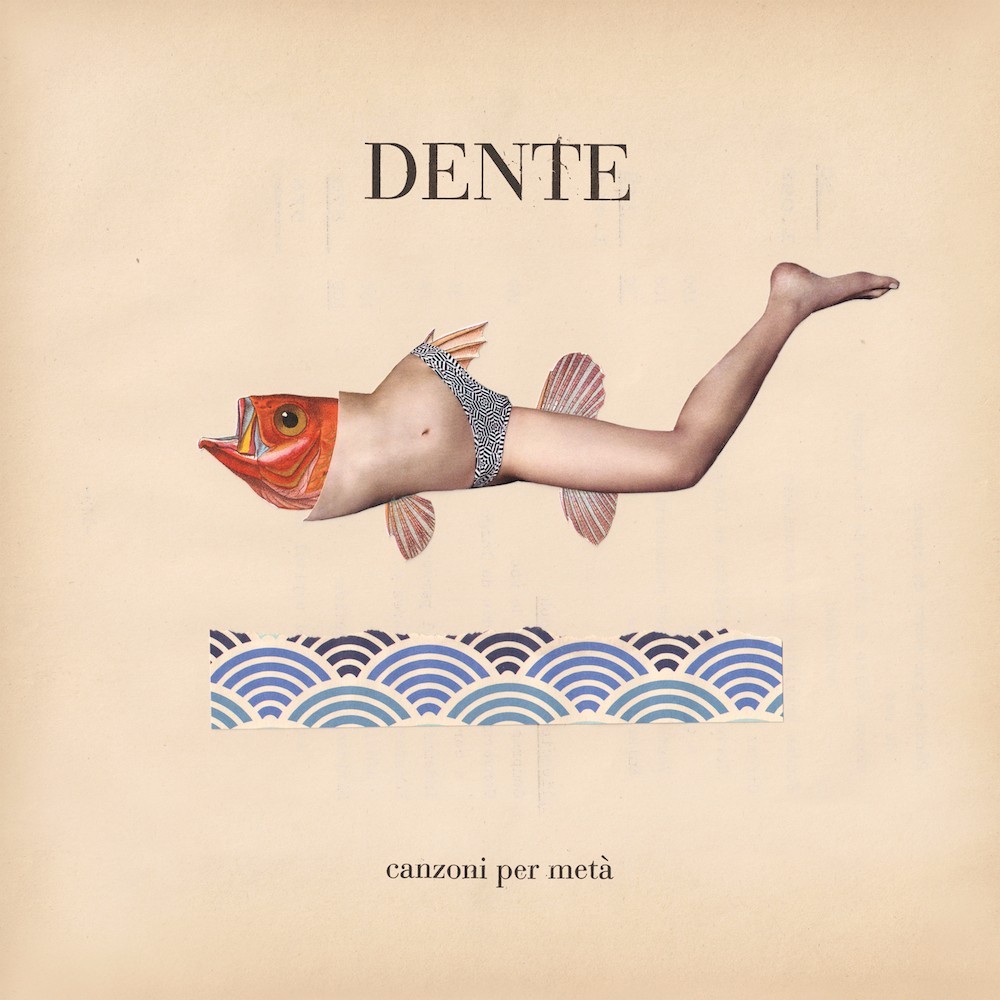
 View Artist