Song Meaning
The lyrics paint a picture of a solitary "Indian girl" caught between tradition and a yearning for connection. She observes the natural world, "snowflakes fallin'," while also hearing a "drumbeat callin'," suggesting a deep connection to her heritage. Yet, the repeated phrase "I am just only lonely Indian girl" immediately establishes a profound sense of isolation that permeates her existence. This loneliness is contrasted with an almost mythical strength; she claims to be "braver than all the braves" and to have "fought a million men," positioning herself as a formidable figure within her community.
The central tension arises from the narrator's desire to claim this "Indian girl" for herself, framing her within a transactional, almost objectifying, tribal law. The narrator states, "Ten hides and twenty horses / That's what the tribal law says / Too much for me to pay for Indian girl." This highlights a perceived barrier to possession, implying the girl is valuable and perhaps unattainable according to traditional customs. The narrator then shifts to a plea for divine intervention, repeatedly asking the "sun" to "take my darkness away" and "bring this girl my way," revealing a desperate hope for union.
The most striking aspect of the craft is the narrator's persistent, almost obsessive, focus on the "Indian girl" as an object of desire and a symbol of a desired future. The lyrics shift from describing her strength to detailing the narrator's plan to elope: "Gather your things together / And bring your wedding feather / We'll steal away forever." This romanticized escape, driven by the narrator's longing, culminates in a vision of "our brightest day," where the sun's shine is not just a plea but a promise of a shared future, away from the constraints of her perceived "lonely teepee."
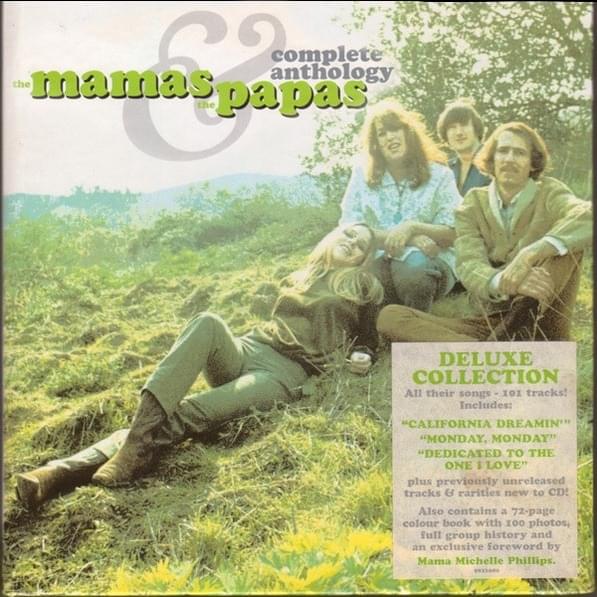
 View Artist