Song Meaning
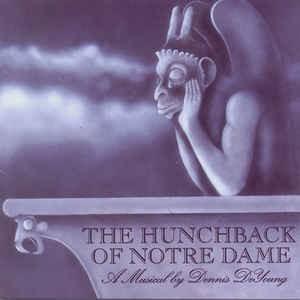
Dennis DeYoung's "Les experts amis amis" isn't just a song; it's a gothic cathedral distilled into four minutes of sound. Stripped of the bombast that often defined his work with Styx, DeYoung delivers something starker, a lament that aches with the loneliness of Quasimodo, the Hunchback of Notre Dame. The lyrics themselves are a prayer, a desperate plea for reunion in the face of overwhelming loss. The opening lines, "All that I have ever loved is gone / What will I do how can I carry on," establish a landscape of utter desolation, painting a portrait of a man utterly stripped bare. It's raw, vulnerable, and immediately gripping. The song's power lies in its unflinching confrontation with grief. DeYoung doesn't shy away from the abyss; he stares directly into it, finding solace only in the promise of an afterlife where love might finally be requited.
The song's core theme revolves around transcending earthly suffering through the enduring power of love. The recurring motif of the heartbeat represents a persistent connection to the lost loved one. Lines such as "With every heartbeat I'll dream of you / With every breath every sigh" suggest an almost obsessive devotion, a refusal to let go even in the face of death. The promise of meeting "at heaven's door" and taking the loved one "in my arms as lovers do" offers a glimpse of hope, a vision of reunion that sustains the speaker through his pain. This hope, however, is intertwined with a profound sense of self-loathing and acceptance of his physical form as a barrier ("This broken body will no longer hide / The soul that lives inside").
Ultimately, "Les experts amis amis" is a meditation on mortality and the enduring human need for connection. It's a song about finding solace in the face of unimaginable loss, about clinging to the hope of reunion even when surrounded by "ignorance and cruelty." The lyrics don’t offer easy answers or platitudes. Instead, they present a raw, unfiltered expression of grief, a testament to the power of love to transcend even the boundaries of death itself. While the song title itself might seem incongruous (French for "The expert friends friends"), it perhaps hints at the idea of finding companionship and understanding even in the darkest of times, or possibly, a reference to the internal dialogue and self-consolation that the speaker engages in.
 View Artist