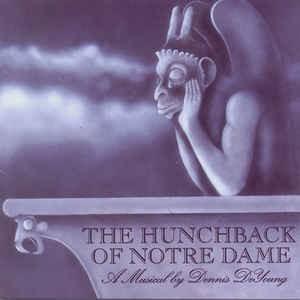
Song Meaning
Dennis DeYoung's "This I Pray" isn't a song so much as a heartfelt supplication, a raw-nerve wish for a world cleansed of its perpetual sins. The opening lines paint a stark picture: the singer stands isolated as chaos encroaches. It's a primal scene, a solitary figure against a backdrop of global madness, instantly relatable in our age of constant anxiety. The "Esmerelda" reference, though brief, hints at themes of outsider status and perhaps even a longing for the sanctuary found in faith or a higher power. The lyrics analysis reveals a yearning for escape, not through physical means, but through a fundamental shift in human consciousness.
The core of "This I Pray" lies in its repeated desire for a world free from hatred, prejudice, and vengeance. DeYoung isn't just listing societal ills; he's dissecting the psychological roots of conflict. The absence of "sadness or pain in our hearts" suggests a recognition that external peace begins with internal healing. The prayer for "only peace, only joy, only love" isn't naive idealism, but a deliberate counterpoint to the pervasive negativity that dominates contemporary life. It's a conscious act of resistance, a refusal to succumb to cynicism.
Ultimately, the song's meaning transcends simple optimism. The repetition of "This I pray" underscores the active nature of hope. It's not a passive wish, but a continuous, intentional effort to cultivate a more compassionate world. The final lines, emphasizing love as the guiding force, suggest that true change requires not just the absence of negative forces, but the active presence of empathy and understanding. "This I Pray" is a musical mantra, a reminder that even in the face of overwhelming darkness, the human spirit retains the capacity to envision and strive for a brighter future.