Song Meaning
Dennis DeYoung's "Pilate's Dream" plunges into the tormented psyche of Pontius Pilate, the Roman governor forever stained by his role in the crucifixion of Jesus. The song isn't a historical account, but a psychological exploration of guilt, responsibility, and the enduring power of collective memory. DeYoung uses the framework of a dream to access the raw, subconscious anxieties that plague Pilate. The Galilean appears as a "haunting, hunted" figure, embodying both innocence and a silent accusation. Pilate's attempts to understand the situation are met with a chilling silence, foreshadowing the impossibility of rationalizing the unfolding tragedy. This silence amplifies Pilate's internal conflict, as he's confronted with a force beyond his comprehension. The dream quickly descends into a chaotic scene of mob violence, highlighting the volatile nature of public opinion and the ease with which individuals can be swept up in collective frenzy. The fleeting nature of the violence, with the angry men disappearing as quickly as they appeared, suggests the irrationality and ephemerality of mob rule.
The core of "Pilate's Dream" lies in the shift from witnessing the events to being personally implicated. The vision of "thousands of millions" weeping for the Galilean transforms into a chorus of voices assigning blame to Pilate. This speaks to the enduring legacy of his decision and the weight of historical judgment. The dream becomes a self-inflicted torment, a perpetual reminder of his failure to act decisively and justly. The repetition of the final verses underscores the inescapable nature of Pilate's guilt. He is trapped in a loop of accusation, forever haunted by the consequences of his actions.
Ultimately, DeYoung's song offers a nuanced portrayal of a complex historical figure. "Pilate's Dream" is not an attempt to exonerate Pilate, but rather to explore the psychological burden of power, responsibility, and the eternal echo of consequential choices. It is a chilling meditation on the lasting impact of decisions made under pressure and the impossibility of escaping the judgment of history.
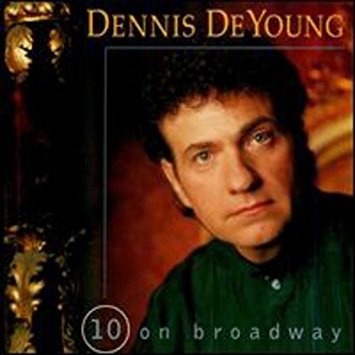
 View Artist