Song Meaning
The lyrics paint a picture of a love that's lost its way, haunted by separation and lingering resentment. The narrator questions the possibility of reconciliation, asking if a simple "come back" would even work, lamenting that precious days filled with love are now wasted on arguments and estrangement. This sets a tone of melancholic longing and regret over a relationship that seems stuck in a cycle of conflict.
The central tension lies in the inescapable comparison to a past "first love." The narrator believes no subsequent affection can match the unique intensity and flavor of that initial experience, suggesting a deep-seated idealization of the past. This yearning for the unrepeatable past prevents the present love from ever reaching the same perceived heights, creating a poignant emotional conflict.
A striking element is the repetition of the phrase "Ayrılıkla dargınlıkla geçiyor yazık ömürler" (lives are wasted with separation and resentment), emphasizing the tragic waste of time and emotion. The recurring question, "Ne kadar severse sevsin neden ilk aşk gibi olamaz" (No matter how much they love, why can't it be like the first love?), highlights this fixation. The desire to "anlatabilsem" (if I could explain) the love, and the wish to "Yine maziye maziye dönsem" (if I could return to the past again), underscore the narrator's struggle to recapture or even articulate the essence of what was lost.
This lyrical approach is effective because it taps into a common human experience: the bittersweet memory of first love and the difficulty of replicating that initial spark. The direct, almost conversational questioning, combined with the stark imagery of wasted lives, creates a powerful sense of emotional truth. The narrator’s plea to return to the past, to a love that "hiç doyum olmaz" (is never enough), resonates deeply, capturing the ache of what might have been and the difficulty of letting go.
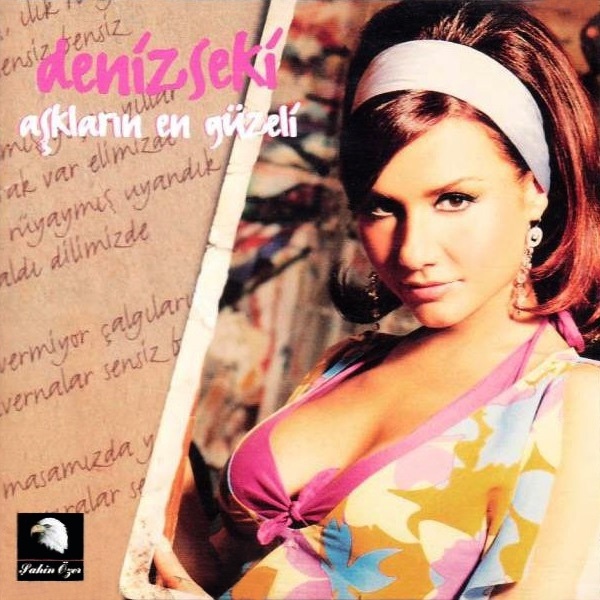
 View Artist