Song Meaning
The lyrics paint a picture of someone finding solace in specific, cherished things amidst a broader sense of unease. The narrator lists preferences – rain, the Oregon coast, Li-Young Lee’s poetry, love songs – establishing a pattern of seeking out particular comforts. This curated list suggests a deliberate effort to find anchors in a world that feels overwhelming, hinting at a deep-seated need for stability and beauty. The opening establishes a tone of quiet contemplation, a search for the singular good amidst the many.
The central tension arises from the narrator's awareness of another's worry and the reciprocal need for connection. Phrases like "worried sick for me" and "taking after me" reveal a relationship where caregiving and concern are paramount, yet the narrator admits, "when you're not here / The less it seems to me." This suggests a dependence, where the narrator's own sense of self or reality diminishes without the other's presence. The repeated plea, "Hold on to you / Hold on to me," underscores this mutual, fragile lifeline.
A striking image emerges when the narrator describes the other person: "When you closed your eyes / You slowly turned to light." This poetic transformation, juxtaposed with the narrator's own "slept through each day / I stared all night," highlights a profound difference in their experiences or states of being. While one seems to find peace or transcendence, the other is caught in a nocturnal vigil, perhaps grappling with anxieties. The exploration of familial roles, "How a father always starts out as a son / How sometimes you're both," adds another layer, suggesting a complex, perhaps generational, dynamic of identity and inherited burdens.
Ultimately, these lyrics resonate because they articulate a universal human struggle: the search for meaning and connection in the face of personal turmoil. The narrator’s act of cataloging preferences and acknowledging the other’s concern grounds the abstract emotional landscape in tangible details. The simple, repeated command to "Hold on" becomes a powerful plea for endurance and mutual support, a testament to how deeply intertwined our sense of self can be with those we love, especially when navigating difficult times.
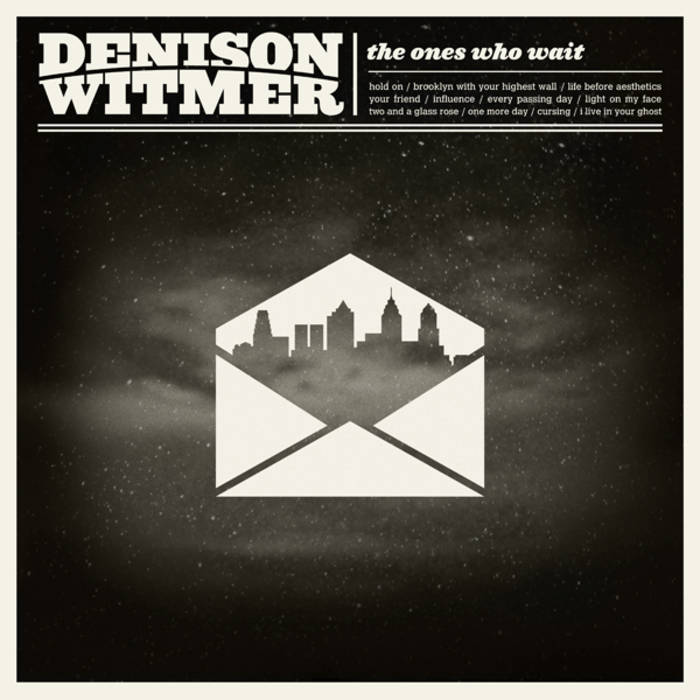
 View Artist