Song Meaning
The lyrics paint a picture of desperate yearning, a frantic chase for more, and a deep-seated dissatisfaction with the present. The narrator is caught in a cycle of wanting the "latest, greatest," driven by a societal pressure to "outdo the Joneses." This relentless pursuit is framed as a quest for a future "heaven," a promised land where they can finally "have it all." The immediate emotional tone is one of anxious anticipation mixed with a gnawing sense of inadequacy.
This desire for external validation and future fulfillment clashes with a stark awareness of present "squalor" and "impulse." The lyrics juxtapose the consumerist frenzy of "tis the season" with the humble origins of a "savior born in manger," highlighting a spiritual emptiness beneath the material striving. The narrator seems to question if their days are merely spent chasing these superficial gains, leading to a plea for forgiveness for being born into a less-than-ideal situation, symbolized by being "born in the Inn."
The most striking craft element is the direct address to a divine "Child" and the plea for entry into the narrator's heart. The imagery of "glimmering weakness" suggests a vulnerability laid bare, a confession of flaws presented in a bid for acceptance. The narrator offers to "play" for this divine presence, a childlike gesture of devotion that contrasts sharply with the adult pursuit of material possessions. This personal invitation, "Here's my world, come on will You come in?" transforms the abstract concept of "heaven" into an intimate, internal experience.
Ultimately, these lyrics resonate because they capture a universal tension between wanting more and recognizing what is truly valuable. The writing effectively uses the contrast between worldly striving and spiritual longing to create a powerful emotional arc. The shift from external pursuit to an internal plea for grace, asking for the divine to be "born in my heart," offers a poignant resolution, suggesting that true fulfillment isn't found in having everything, but in opening oneself to something greater.
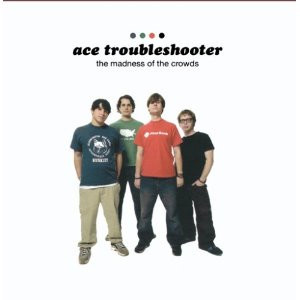
 View Artist