Song Meaning
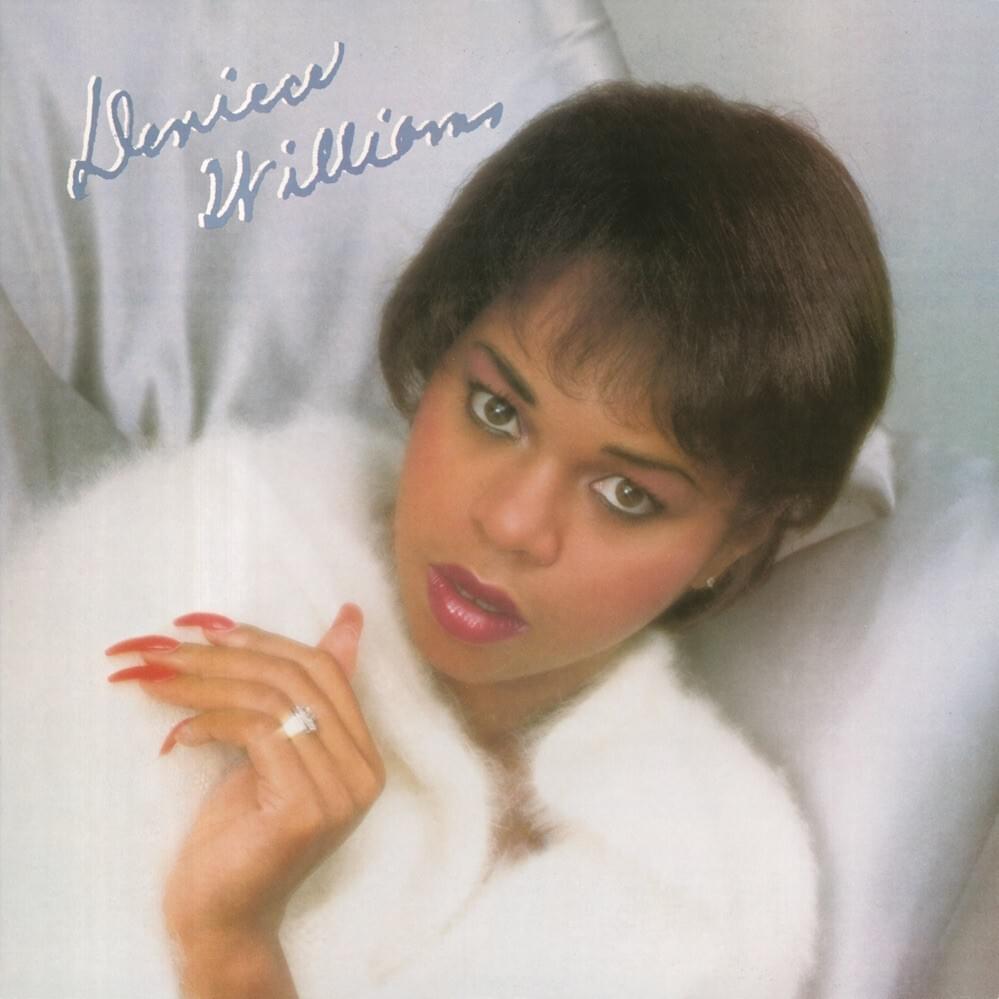
Deniece Williams’ “My Melody” isn't simply a song; it’s a declaration of self-ownership through music. The opening lines immediately set up a dichotomy: those who passively experience life's rhythm versus those who actively seek it. But the core of the song meaning lies in the assertion that this particular melody isn't just another tune; it's deeply personal, an intrinsic part of the singer's identity. This isn’t about universal experiences; it’s about the individual's emotional landscape. The lyrics subtly suggest that finding and claiming this personal melody is a form of liberation.
The song operates on the understanding that life's music, as Williams puts it, is a powerful force, capable of eliciting both joy and sorrow. There's no attempt to dissect or over-intellectualize this emotional impact; instead, the song accepts it as a fundamental truth. The lines about trouble strumming on heartstrings versus blowing in the wind present two choices: to be passively affected by hardship or to actively release it. The resolve to "write another happy love song" is a defiant act of self-preservation, a refusal to let negativity define the narrative.
Ultimately, "My Melody" explores the idea of music as a form of self-possession. In a world where external forces constantly try to dictate our emotions and experiences, claiming ownership of one's personal melody becomes a powerful act of resistance. It’s an understanding that even in the face of life's inevitable lows, the individual has the power to create their own harmony, to compose their own narrative, and to find solace and strength within their own unique rhythm. It is a song not just heard, but deeply felt and personally owned.
 View Artist