Song Meaning
Adoniran Barbosa's "As Mariposa" isn't just a song; it's a masterclass in Brazilian samba-infused metaphor, offering a wry observation on desire, vulnerability, and the intoxicating allure of the flame. The central image—moths drawn to a light—is both simple and profoundly resonant. Barbosa casts himself as the lamp, the object of fervent, perhaps self-destructive, attention. The 'mariposas,' or moths, represent women, circling him in a dance of attraction as the cold sets in. This initial warmth-seeking motive hints at a deeper need, a vulnerability exposed by the 'frio'—the cold, both literal and metaphorical. They seek solace, a fleeting respite from the harshness of the world.
The cyclical nature of the moths' behavior—'roda, roda, roda' (circle, circle, circle)—emphasizes the repetitive, almost compulsive nature of desire. It's a loop of longing and temporary satisfaction, as they eventually 'senta / Em cima do prato da lâmpida pra descansar' (sit / On top of the lamp plate to rest). This moment of respite is crucial; it suggests a brief, perhaps illusory, sense of fulfillment. The light offers comfort, but it's a dangerous comfort, a source of heat that can ultimately consume.
Barbosa's self-aware positioning as the 'lâmpida' adds another layer of complexity to the song meaning. He understands his role in this dynamic. He's not merely an innocent bystander but an active participant, providing the allure that draws the 'muié' (women) in. The final lines, 'Toda noite só pra me beijar' (Every night only to kiss me), carry a hint of both pride and perhaps a touch of weariness. Is he empowered by their attention, or is he trapped in a cycle of providing fleeting warmth to those seeking solace? "As Mariposa", through its deceptively simple lyrics, becomes a nuanced exploration of human connection and the inherent risks of seeking light in the darkness.
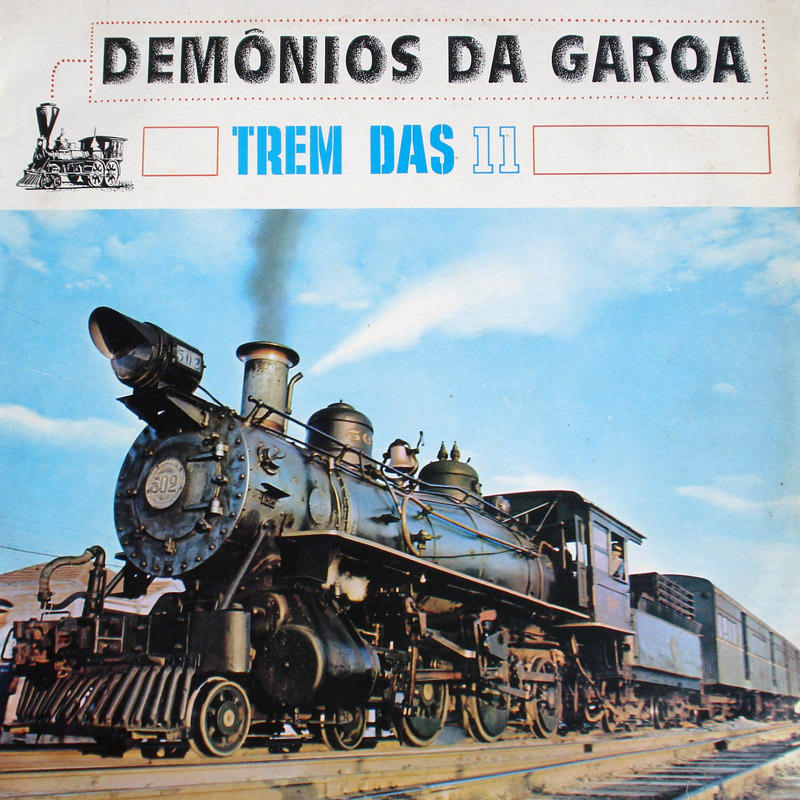
 View Artist