Song Meaning
The narrator opens by painting a picture of a vibrant, expansive world, a stark contrast to his self-proclaimed identity as a mere 'Vagabund' – a wanderer. This initial framing establishes a sense of restless searching, hinting at a life spent drifting through experiences, symbolized by kissing 'manchen roten Mund' (many a red mouth). The world's roundness and color suggest opportunity and variety, yet the narrator felt detached, simply passing through.
The core tension arises from the shift from a life of casual romantic encounters to a profound, singular connection. The narrator admits to being a 'Vagabund der Liebe' (vagabond of love), unfaithful and treating life like a 'Würfelspiel' (game of dice). This implies a period of irresponsibility and a lack of commitment. However, this era is definitively over, marked by the declaration that his heart is no longer free because someone has claimed it entirely, for a lifetime.
The most striking craft element is the direct juxtaposition of the past and present. The repeated refrain about the world being 'bunt' and 'rund' and the narrator being a 'Vagabund' is bookended by the new reality: 'Mein Herz ist nicht mehr frei / Denn du nahmst es mir'. This contrast highlights the transformative power of this new relationship. The 'Spiel ist aus' (game is over) signifies a conscious surrender of his former lifestyle, not with regret, but with a newfound appreciation for the stability and joy found in being 'schön bei dir zu sein' (nice to be with you).
This lyrical narrative resonates because it captures a universal human experience: the transition from youthful exploration and detachment to the deep fulfillment found in committed love. The narrator’s honest admission of his past recklessness, coupled with the sincere declaration of his heart being taken, makes the transformation feel earned and genuine. The simple, direct language emphasizes the profound impact of this singular connection, turning a life of wandering into a settled, cherished existence.
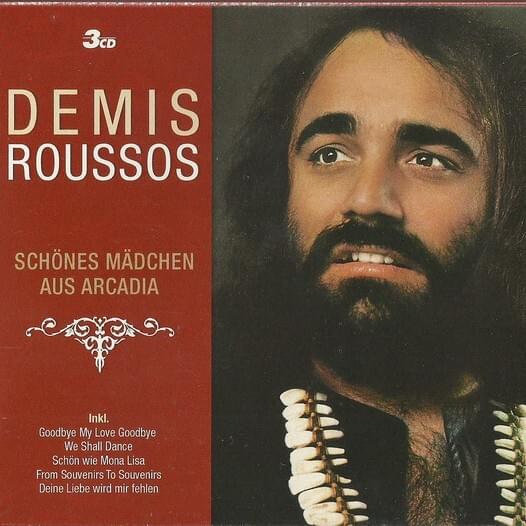
 View Artist