Song Meaning
The lyrics paint a stark picture of someone contemplating suicide on a bridge, their eyes filled with tears and their life declared over. The narrator directly confronts this despair, questioning the individual's resolve and their belief that life has reached its end. The repeated question, "Alors pourquoi pas toi?" (So why not you?), initially seems to echo the despair, but the context shifts it into a challenge against giving up.
The central tension lies between the profound hopelessness expressed by the person on the bridge and the insistent, almost urgent, plea from the narrator to persevere. The narrator refutes the idea of being "sans courage" (without courage) or "sans mirage" (without illusion), suggesting that these feelings are temporary and not the whole truth of existence. The shift from "On ne meurt que deux fois" (One only dies twice) to "On ne vit qu'une fois" (One only lives once) is a critical pivot, reframing the finality of death into the singular opportunity of life.
The most striking craft element is the direct, almost confrontational, address combined with the repetition of "Tu n'as pas le droit" (You don't have the right). This isn't a gentle suggestion; it's a forceful declaration that the individual is forbidden from succumbing to despair. The imagery of "laisser tomber ta croix" (letting go of your cross) and the promise of "l'amour pour toi" (love for you) and "l'infini" (the infinite) offer powerful counterpoints to the bleakness, suggesting a spiritual or existential imperative to continue.
This writing is effective because it mirrors the internal struggle of despair with an external voice of unwavering conviction. The narrator doesn't just offer platitudes; they challenge the logic of giving up, drawing on their own experience of overcoming "tempêtes" (storms) and seeing the "soleil renaître" (sun reborn). The lyrics resonate by acknowledging the pain while fiercely advocating for the possibility of renewal and the inherent value of a single life.
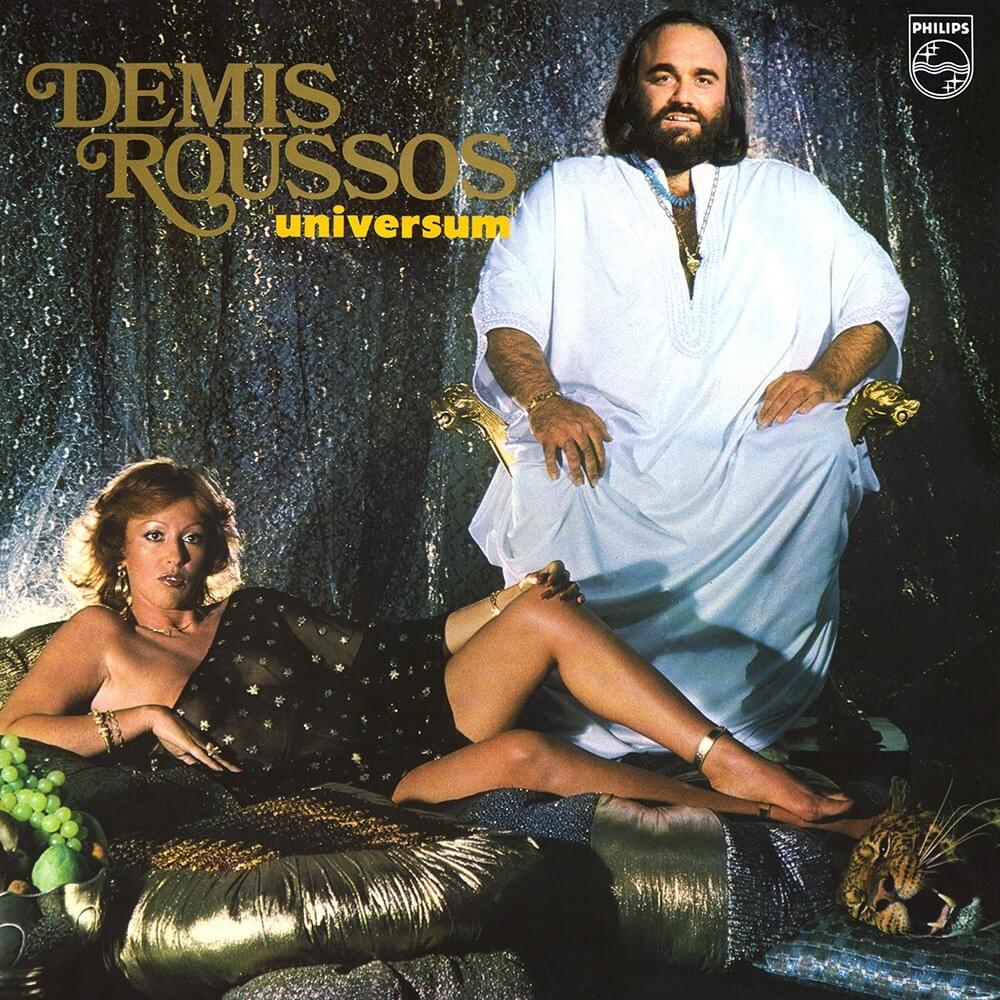
 View Artist