Song Meaning
This track paints a stark, almost mythic portrait of a mysterious arrival. The narrator is fixated on a figure who "came up from the north," an event so profound it altered the very perception of light and time. The repetition of this phrase grounds the narrative, emphasizing the singular, life-altering nature of her appearance. It’s an arrival that brings an inexplicable darkness, a sense that the narrator's personal "sundown would not be the same."
The central tension lies in the narrator's bewilderment and the tragic fate of the newcomer. The lyrics pose a haunting question: "why she chose my place to die." This suggests a shared, perhaps unwilling, destiny. The world itself seems to wither, with "the river and the world had dried," mirroring an internal desolation or the consequence of her presence. The narrator feels powerless, unable to "keep her anymore," hinting at a loss that is both inevitable and deeply personal.
The imagery of a "star, riding high" initially suggests something celestial and hopeful, but this is quickly undercut by the darker implications of her arrival. The contrast between this bright image and the subsequent "sun got blackless" is striking. Later, the phrase "sleep beauty cries" introduces a complex emotional layer, suggesting that even in rest, there is sorrow, and that shared "small pains will set and then we weep." This hints at a shared vulnerability or a melancholic understanding between the two figures.
Ultimately, the lyrics resonate through their stark, evocative language and the unresolved mystery of the narrator's experience. The focus isn't on a clear story but on the emotional weight of an inexplicable event and its lasting impact. The arrival from the north becomes a pivotal moment, a point of no return that reshapes the narrator's reality and leads to an inescapable sorrow, leaving the listener with a profound sense of loss and unanswered questions.
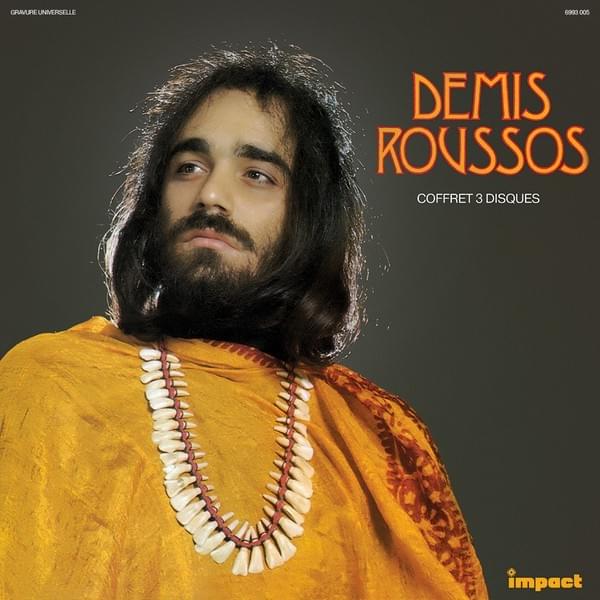
 View Artist