Song Meaning
The lyrics paint a picture of a forbidden young love, set against a backdrop of societal judgment and economic disparity. The narrator recalls a relationship with Margarita, whose family lives in a trailer while his own seems more established, highlighted by the neighbors' disapproval of their racial difference ("I was white, she was brown"). Their escape was the river, a place where they could "love away the lies" that followed them, suggesting a sanctuary from external pressures. The core of their connection is distilled into a visceral, intimate memory: "The softness of your body / And the hunger in my soul / Are the only secrets I'll ever know."
This initial intimacy, however, gives way to the harsh realities of time and circumstance. They grew up together, their childhood seemingly idyllic and untouched by the world's judgment ("the shadows never touched / The places where we ran"). Yet, as they aged, their paths diverged dramatically. The narrator notes a shift from abundance to scarcity, "the harvest turned to sand," and Margarita left, a departure he "will never understand." This abrupt separation leaves him with a profound sense of loss and bewilderment, a stark contrast to the shared innocence of their youth.
The most striking element is the persistent, almost ritualistic invocation of Margarita's name, especially within the recurring chorus. It transforms from a simple address to a lament, a desperate echo of a past that can't be reclaimed. The narrator's present-day longing is palpable as he "look[s] down on the valley / Where we used to lay," finding only a "whisper of an old familiar name." The repetition of "Margarita" becomes a testament to the enduring power of this lost connection, a name that still holds immense emotional weight for him, even as the reality of her presence is gone.
Ultimately, these lyrics resonate because they capture the bittersweet ache of a love that was both intensely real and tragically fleeting. The contrast between the youthful rebellion and the adult resignation, the physical intimacy and the emotional isolation, creates a powerful narrative of what might have been. The narrator's inability to "understand" Margarita's departure, coupled with his lingering devotion expressed through the repeated name, makes the loss feel deeply personal and universally understood for anyone who has experienced a profound, yet unfulfilled, connection.
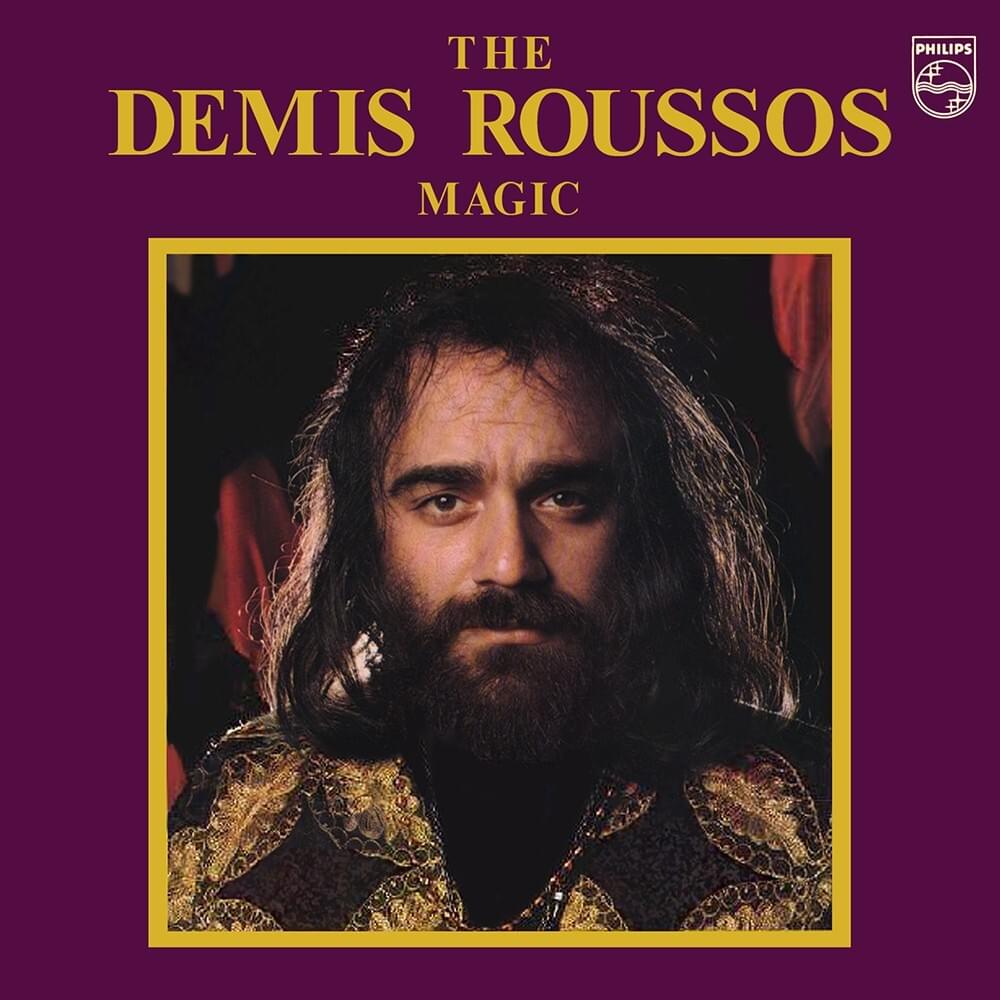
 View Artist