Song Meaning
The lyrics paint a stark picture of disillusionment and the end of an era, both personal and perhaps societal. The opening lines immediately establish a sense of finality: "Veo un mundo diferente" (I see a different world) and "Siento que todo ha acabado ya" (I feel like everything has ended already). This isn't just a minor shift; it's a profound realization that years have been spent "en ninguna parte" (in nowhere) and "a ningún lugar" (to nowhere), suggesting a deep-seated feeling of wasted time and effort.
The narrator expresses a palpable fear of engaging with the present, evidenced by the reluctance to "encender la radio" (turn on the radio) because "Todas las emisoras han cambiado su dial" (All the stations have changed their dial). This imagery powerfully conveys a sense of alienation from familiar comforts and a dread of discovering how much the world, or at least its cultural landscape, has transformed. The anxiety is amplified by the fear of "lo que pueda encontrar" (what I might find), hinting at a potential disconnect from new realities or a loss of what was once known.
A central tension arises from the contrast between the perceived stagnation of the narrator's own journey and the dynamic, often superficial, nature of the world around them. While some "ya la han encontrado" (have already found it), referring to answers or perhaps purpose, others are depicted as "Viajas estrellas de la tele" (TV stars) and the "nuevo Calamaro" (new Calamaro), suggesting a culture chasing fleeting fame and new trends. This is juxtaposed with the cyclical, yet seemingly unproductive, nature of life described as "Nuevas flores que amanecen / Viejas hojas que caen" (New flowers dawn / Old leaves fall), a natural cycle that the narrator feels trapped within, leading to "Vueltas y más vueltas a un camino circular" (Turns and more turns on a circular path).
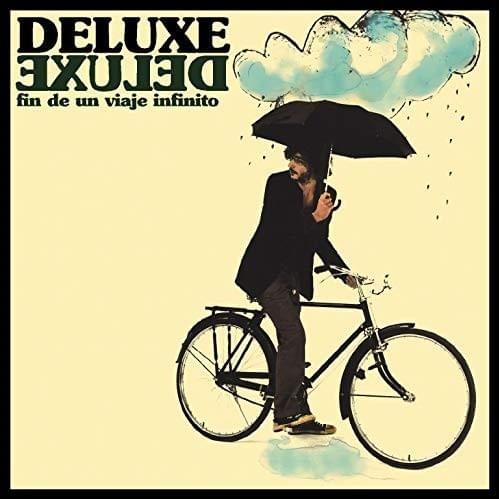
The repeated refrains, "Bienvenido al mundo del ensayo y del error / Bienvenido al tiempo del amor y de la llaga" (Welcome to the world of trial and error / Welcome to the time of love and the wound), serve as a stark, almost ironic, greeting to this new phase. It acknowledges the inherent pain and uncertainty of existence, framing it as a constant process of learning and suffering. The lyrics suggest that this "fin de un viaje infinito" (end of an infinite journey) is not a peaceful conclusion but a jarring arrival into a reality that demands acceptance of constant change and the inevitable presence of both joy and pain.
 View Artist