Song Meaning
The narrator is cutting through perceived insincerity, directly addressing someone whose affections seem tied to their wealth. The repeated pleas of "Don't say you love me" and "Don't say you want me" aren't about rejecting love itself, but about rejecting a love that feels conditional and transactional. It’s a stark warning against false professions of affection that appear only when financial success is evident.
The central tension here is the narrator's deep-seated distrust of others' motives, specifically regarding their own financial status. They've clearly experienced this before, leading to a preemptive strike against anyone who might feign genuine connection. The insistence that "It's true.. it's true.." after being called "the greatest" or "the prettiest" suggests a weary self-awareness; they know what they're worth, but they also know that others might only see the surface-level success.
The most striking aspect of the craft is the relentless repetition, hammering home the core message with almost percussive force. The juxtaposition of grand, almost angelic descriptions ("greatest / Little angel from above") with the blunt reality of "When you see my money" creates a powerful irony. This contrast highlights the perceived superficiality of the admirer, reducing them to a gold-digger who can't see past the narrator's bank account.
This lyrical approach is effective because it feels like a direct, unvarnished confession of vulnerability masked as defiance. The narrator isn't just stating a fact; they're expressing a profound disappointment and a need for authentic connection, even if they have to demand it by pushing people away first. The bluntness makes the underlying hurt palpable, resonating with anyone who's felt their worth be misunderstood or commodified.
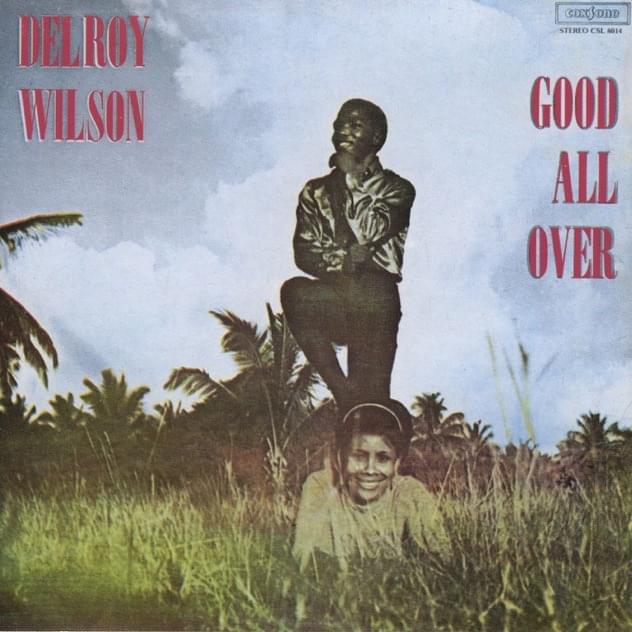
 View Artist