Song Meaning
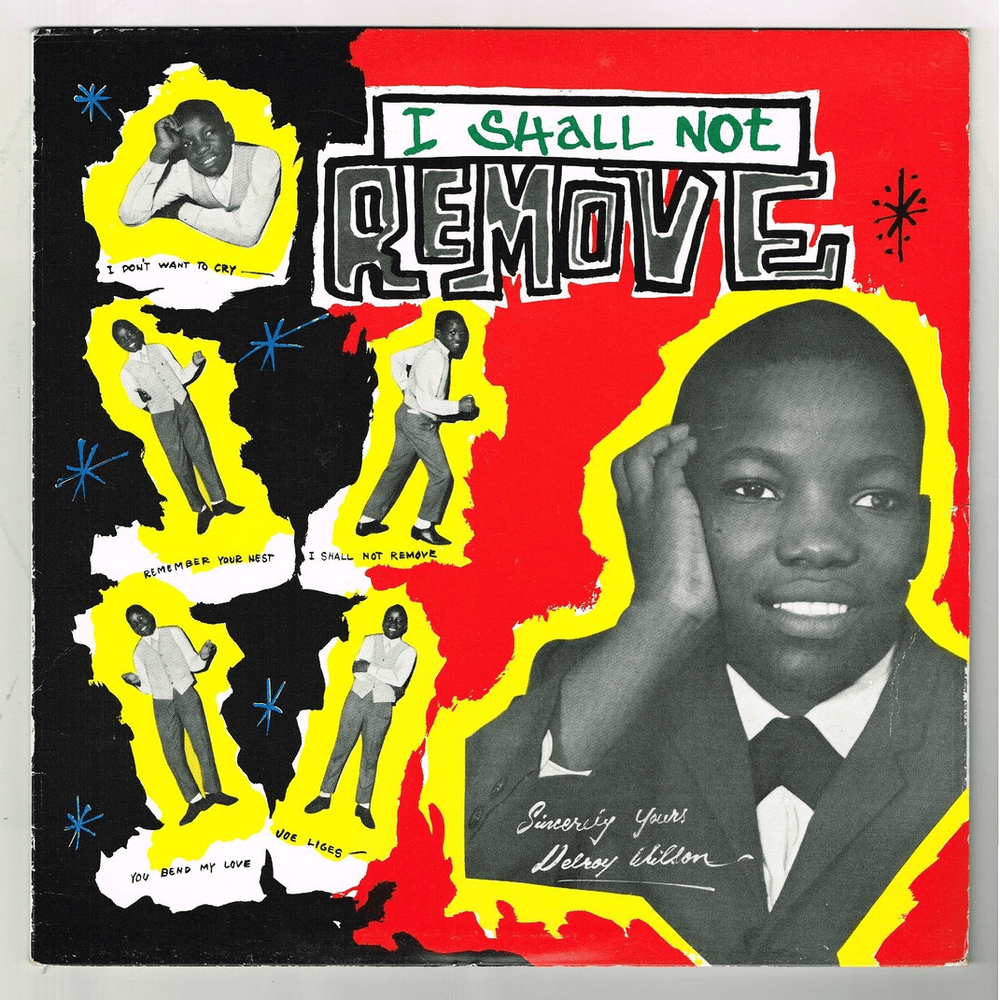
The narrator is caught in a painful loop, desperately wanting to stop crying but unable to escape the emotional grip of a one-sided love. The opening lines establish a clear plea: "I don't want to cry anymore." This isn't just about sadness; it's a profound exhaustion with the emotional toll of a relationship that's clearly not working. The narrator asserts a certainty of their own love, "I'll always love you, this I know," highlighting the imbalance.
The core tension emerges in the chorus, where a demand for agency clashes with the reality of their feelings. "If you don't love me, let me go" is a plea for liberation, yet the repeated "I don't want to cry anymore" underscores the difficulty of achieving it. The narrator knows they shouldn't be a "fool," but the emotional dependency is palpable, creating a conflict between self-preservation and lingering affection.
Verse 2 introduces a jarring twist, revealing the complex and painful reason for the tears. The narrator admits, "But, darling, I cry / To keep me satisfied," a statement that suggests a self-destructive coping mechanism. The lyrics then pivot to a devastating confession: "For I love your friend." This revelation explains the narrator's own suffering and the lover's potential indifference, framing the entire situation as a tragic, self-inflicted heartache.
This emotional complexity makes the lyrics hit hard. The initial plea for relief is subverted by the confession of loving the lover's friend, transforming the song from a simple breakup lament into a story of forbidden desire and painful resignation. The repeated phrase "I don't want to cry anymore" becomes a mantra of a person trapped by their own complicated feelings, unable to break free from the cycle of sorrow.
 View Artist