Song Meaning
The lyrics paint a scene of profound, almost paralyzing stillness. A figure, described as a "humble servant," stands "so very still," his "weary eyes gased" into the "open sky." This quietude is dramatically interrupted by the "Voice of Jehovah," a divine command cutting through "the den of noise." The initial tone is one of solemn obedience, a direct encounter with the sacred.
The central tension arises from the divine directive: "take your son, your only son... to sacrifice your son to me." This echoes a biblical narrative, presenting a test of faith demanding the ultimate sacrifice. The land of Moriah is invoked, a place of worship and, here, a place for this harrowing act. The narrator appears to grapple with this immense, almost unbearable, command.
A striking shift occurs in the second half. The stillness is now presented as a collective aspiration: "if we're still, so very still, Our eyes gasing into the heavens." The divine voice, now identified as "Messiah," offers a different kind of sacrifice: "a time to sacrifice our hearts to Him." This reinterpretation transforms the demand from a literal, devastating act to a metaphorical offering of devotion and love, suggesting a spiritual evolution or a re-understanding of divine will.
This lyrical arc is effective because it moves from a stark, almost terrifying divine decree to a more accessible, internal spiritual commitment. The repetition of stillness and the divine voice, coupled with the shift from sacrificing a son to sacrificing hearts, creates a powerful emotional resonance. It suggests that true worship isn't always about literal, painful obedience, but about a profound, internal yielding to a higher power, finding peace in "the will."
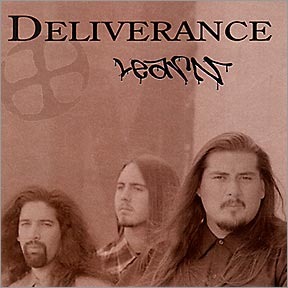
 View Artist