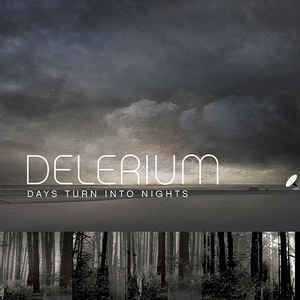
Song Meaning
The lyrics paint a stark picture of solitary grief, where time itself seems to warp under the weight of loss. The repetition of "One by one the days turn into nights" isn't just about the passage of time; it's a desperate attempt to hold onto a fading presence, a refusal to accept the present reality. The narrator clings to a comforting illusion, whispering "I pretend you're still with me and all is right," a fragile defense against the encroaching darkness.
The central tension lies between the relentless march of time and the narrator's internal stasis. While the "spinning sphere" continues its rotation and the sun predictably sets, the narrator is trapped in a loop of denial. The phrase "what have I done" hints at a deeper regret or a feeling of helplessness, as if the narrator believes they could have somehow prevented this separation. The juxtaposition of the external world's order with the narrator's internal chaos is palpable.
There's a striking visual in "Sky and sea collide like cosmic city lights." This isn't just a pretty image; it suggests a world turned upside down, where the familiar boundaries blur into something overwhelming and perhaps beautiful in its own destructive way. It mirrors the internal turmoil, where the narrator's perception of reality is fractured. The parenthetical aside, "(It's just a dream)," is a critical moment, shattering the illusion and revealing the painful truth beneath the comforting pretense.
This song's power comes from its raw depiction of enduring absence. The simple, almost childlike repetition of phrases like "days turn into nights" and "there goes the sun" belies a profound emotional ache. The lyrics don't offer easy answers, but rather capture the quiet, persistent struggle of someone trying to navigate a world that feels fundamentally altered by loss, where even the most basic passage of time becomes a source of pain.