Song Meaning
The lyrics paint a picture of an idealized love, casting the subject as a universally adored, chart-topping song. This isn't just about affection; it's about a profound sense of comfort and security the narrator associates with this person. The repeated assertion that this imagined song would be "number one" and "thrill the hearts of everyone" highlights a desire for this love to be as recognized and impactful as the biggest hits.
The central tension arises from the contrast between this idealized vision and the implied absence of the person. The narrator wishes for their presence to banish "sleepless nights" and to last "see me through / My darkest hour." This suggests the person is not currently available or present, making the fantasy of their song-like perfection a coping mechanism for loneliness or hardship.
The most striking craft element is the persistent, almost hypnotic repetition of "If you were a song you'd be number one." This refrain functions like a mantra, reinforcing the narrator's deep longing and the perceived perfection of the absent beloved. The imagery of a song that "lovers everywhere" would sing along to, and one that "thrill[s] the hearts of everyone," elevates the person beyond mere romantic interest to a cultural phenomenon, a source of collective joy and solace.
Ultimately, the effectiveness of these lyrics lies in their simple, direct expression of yearning. By framing the beloved as a perfect, universally loved song, the narrator articulates a powerful desire for a love that is both deeply personal and widely celebrated, offering a sense of emotional stability that is currently missing. The fantasy provides a temporary escape, a "dreamland" where this perfect love exists and offers unwavering support.
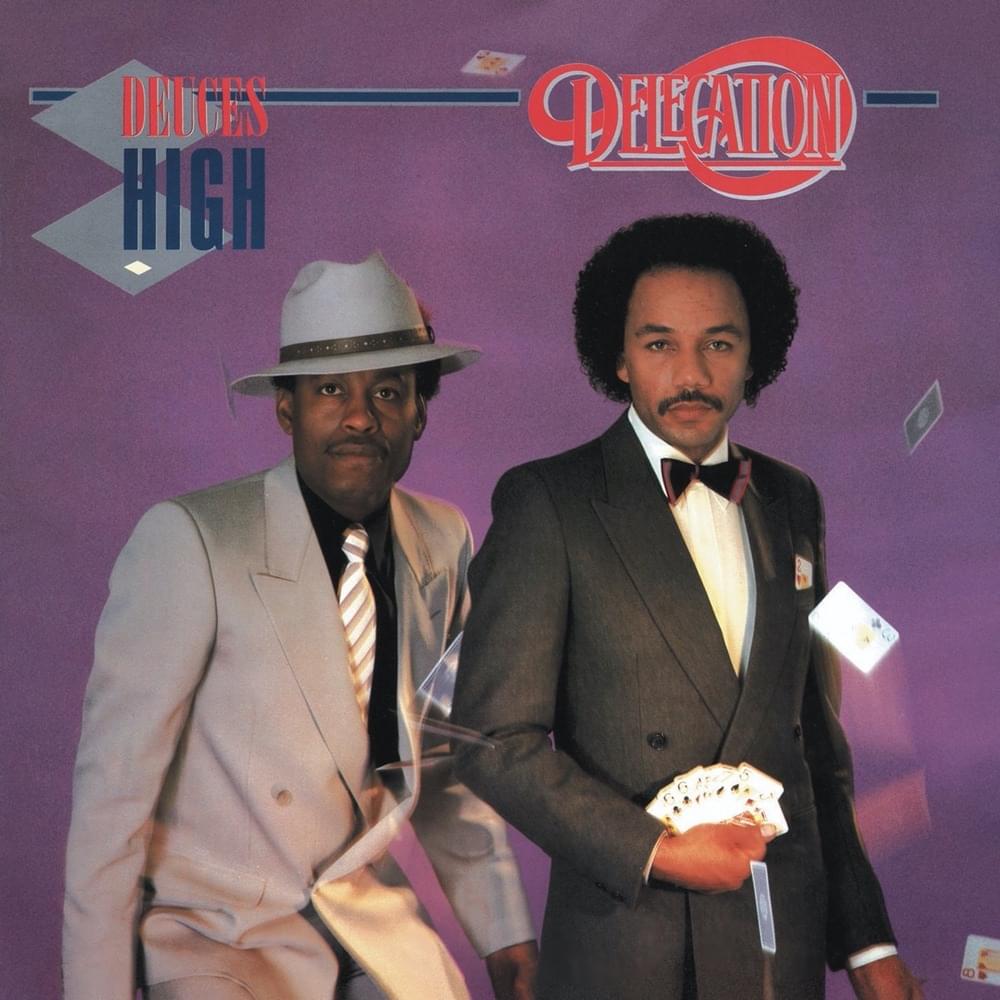
 View Artist