Song Meaning
The lyrics paint a picture of an earnest invitation to a shared, idealized future. The narrator describes a special place, a destination that requires a journey over a significant obstacle – a "mountain that's oh so high." This isn't just a physical trip; it's a metaphorical ascent towards a new beginning or a deeper connection. The repeated phrase "we can love" acts as a promise, a central theme that underpins the entire invitation, suggesting that this destination is where their love can truly flourish.
The core tension arises from the anticipation and the desire for this shared experience. The narrator has been "waitin' a long long time" to discover "what's on the other side," indicating a deep yearning for this future. This waiting period, coupled with the explicit desire to "go with you" and "climb your mountain," highlights the effort and commitment involved in reaching this promised land of love. The urgency is palpable, as the narrator urges to "waste no time."
One of the most compelling aspects is the narrator's persistent observation and planning. Lines like "Baby, I've been watchin' you" and "I've got plans for you" reveal a deliberate and thoughtful approach to building this relationship. It suggests a desire to understand and cater to the other person, not just to reach a destination, but to actively create joy within it, promising to "makin' you laugh and lovin' you too." This focus on mutual happiness is key to the envisioned future.
Ultimately, the effectiveness of these lyrics lies in their simple, direct appeal and the hopeful imagery they evoke. The repeated, almost chant-like "we can love" serves as a powerful anchor, reinforcing the central promise. The narrative builds from an invitation to a place, to a shared journey, and finally to a commitment to mutual joy, all framed by the unwavering belief in the potential of their love.
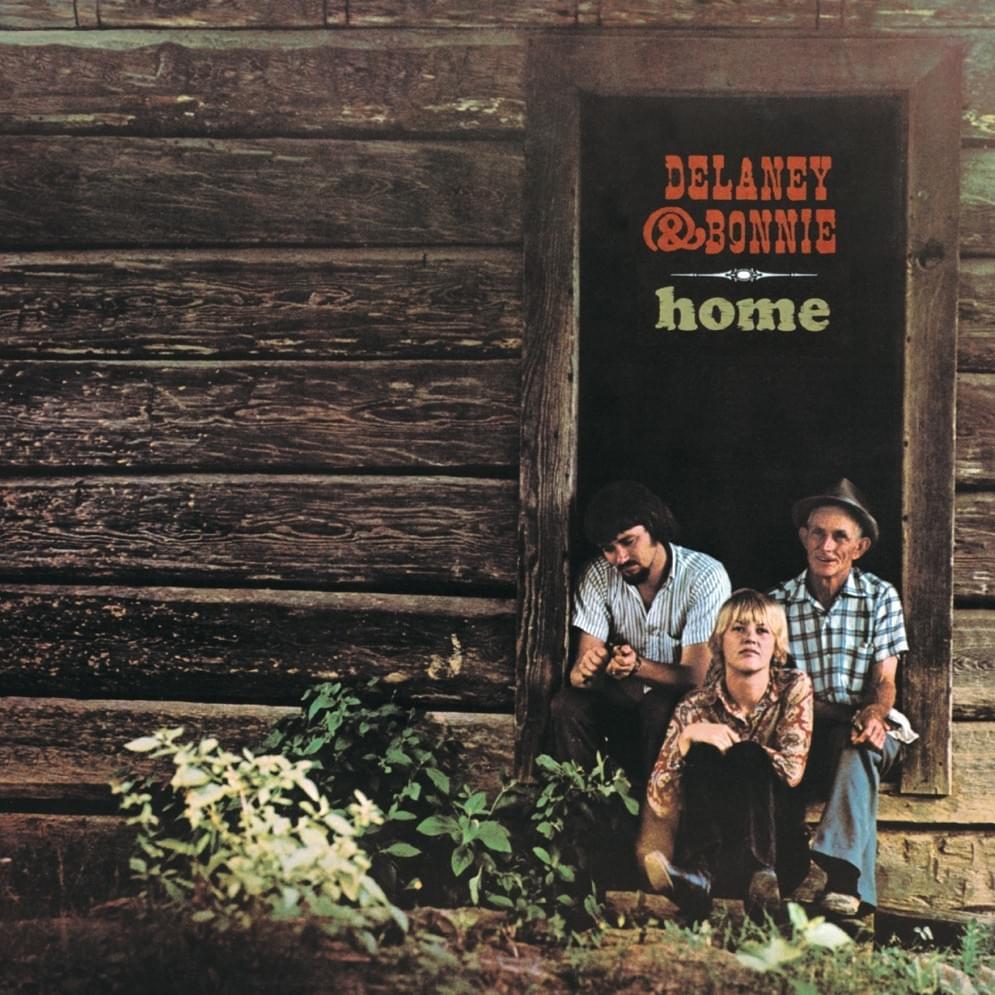
 View Artist