Song Meaning
The lyrics paint a stark portrait of someone who has achieved a hollow version of success, losing themselves in the process. The opening lines immediately establish a sense of betrayal and disillusionment, suggesting the subject was exploited for their dreams and essence, only to be given back a distorted reflection of what was taken. This sets up a central question about identity and the cost of ambition.
The core tension lies in the contrast between past aspirations and present reality. The narrator observes the subject's "disappointment of success," a poignant phrase that captures the emptiness of achieving goals that don't bring fulfillment. This success feels like a "hand-me-down dress," ill-fitting and inherited rather than earned or truly desired, while nostalgia offers only a painful reminder of lost potential and aging former connections.
The most striking craft element is the recurring, slightly altered refrain. Initially, the narrator asks the subject, "do you recognise someone / Is it who you always hoped you would become / When you were young?" This direct challenge highlights the disconnect between the person they were and the person they are now. The final iteration shifts to "I look into the mirror and I recognise someone / It is who you always hoped you would become / When you were young," a subtle but powerful change that suggests the narrator has either accepted this fallen version or perhaps sees a tragic irony in the fact that this is, in a twisted way, the outcome they were destined for.
This lyrical construction is effective because it grounds abstract feelings of regret and lost identity in concrete, relatable imagery. The "hand-me-down dress" and the "mask of make-up" with a "parody of pain" are potent visual metaphors for superficiality and emotional suppression. The shift in perspective in the final stanza leaves the listener with a lingering sense of melancholy, forcing them to consider the profound personal cost of chasing a dream that ultimately betrays you.
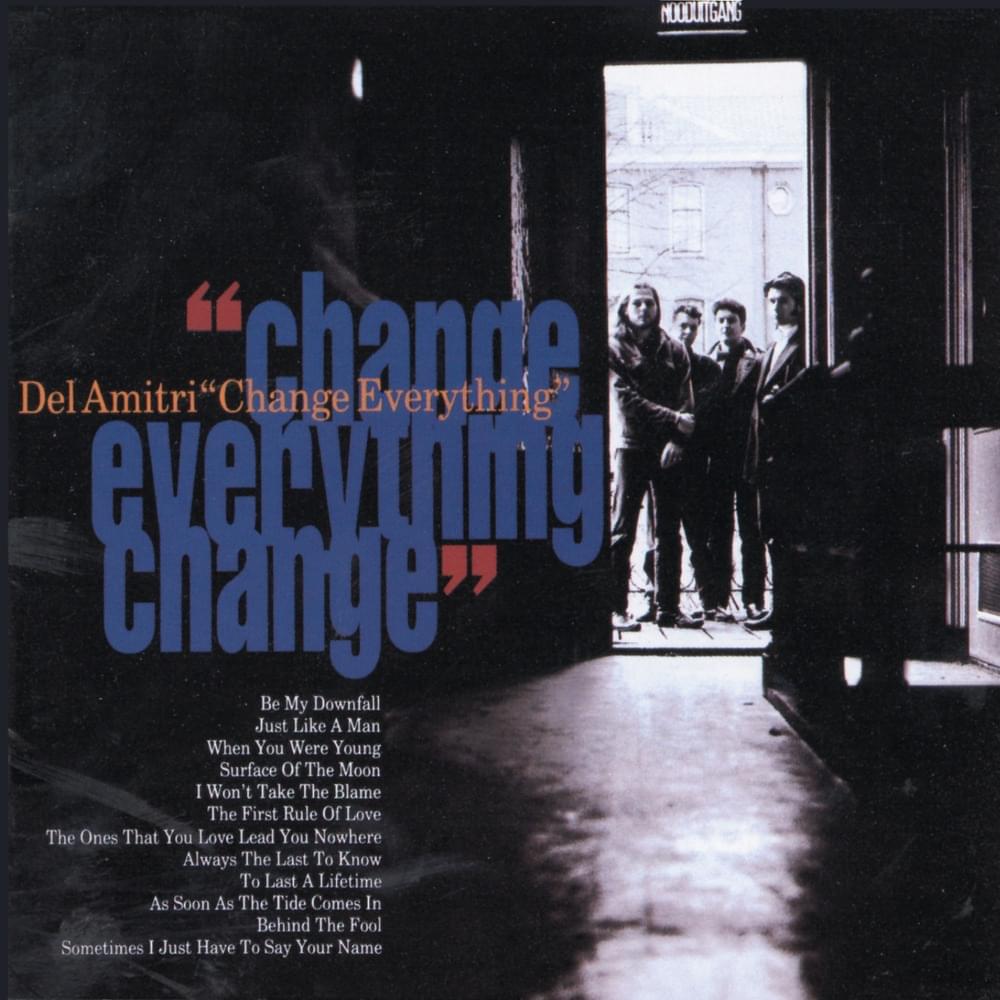
 View Artist