Song Meaning
The lyrics paint a stark picture of existential hollowness, where the pursuit of external validation has led to a profound sense of inauthenticity. The narrator questions how one navigates a life built on pretense, especially when surrounded by others who seem equally performative. The opening lines immediately establish a tone of detached observation, focusing on a "beautiful empty shell" and the unsettling feeling of being a "fake yourself" after encountering so many "sinceroes" – a clever portmanteau suggesting insincere sincerity.
The central tension arises from the shared compulsion to "feed on being somebody else." This isn't just about individual deception; it's a mutual, almost parasitic relationship where identity is borrowed or fabricated. The narrator observes the desperate measures taken to escape perceived boredom, like "suck[ing] on the juice of youth" and climbing a "ladder of lifelessness," highlighting the destructive cycle of chasing fleeting experiences and accumulating debt, both financial and spiritual.
The most striking craft element is the surreal, almost hallucinatory imagery used to depict internal collapse. The "troops in you head won't obey" suggests a loss of self-control, a mental mutiny that culminates in the chilling realization "You're dead." This internal chaos spills into the external world, where the "sun sets in a coffee cup" and "the moon throws up," transforming mundane objects into symbols of decay and disorientation. The "clothes horse races itself" is a particularly potent image of automated, meaningless activity, mirroring the frantic, unthinking performance of "being somebody else."
Ultimately, these lyrics resonate because they articulate a pervasive modern anxiety: the fear of losing oneself in the performance of identity. The narrator's direct address and the escalating absurdity of the imagery create a disquieting intimacy, forcing the listener to confront the potential emptiness behind their own carefully constructed personas. The final plea, "Roll to me," suggests a desperate longing for genuine connection amidst this widespread artifice.
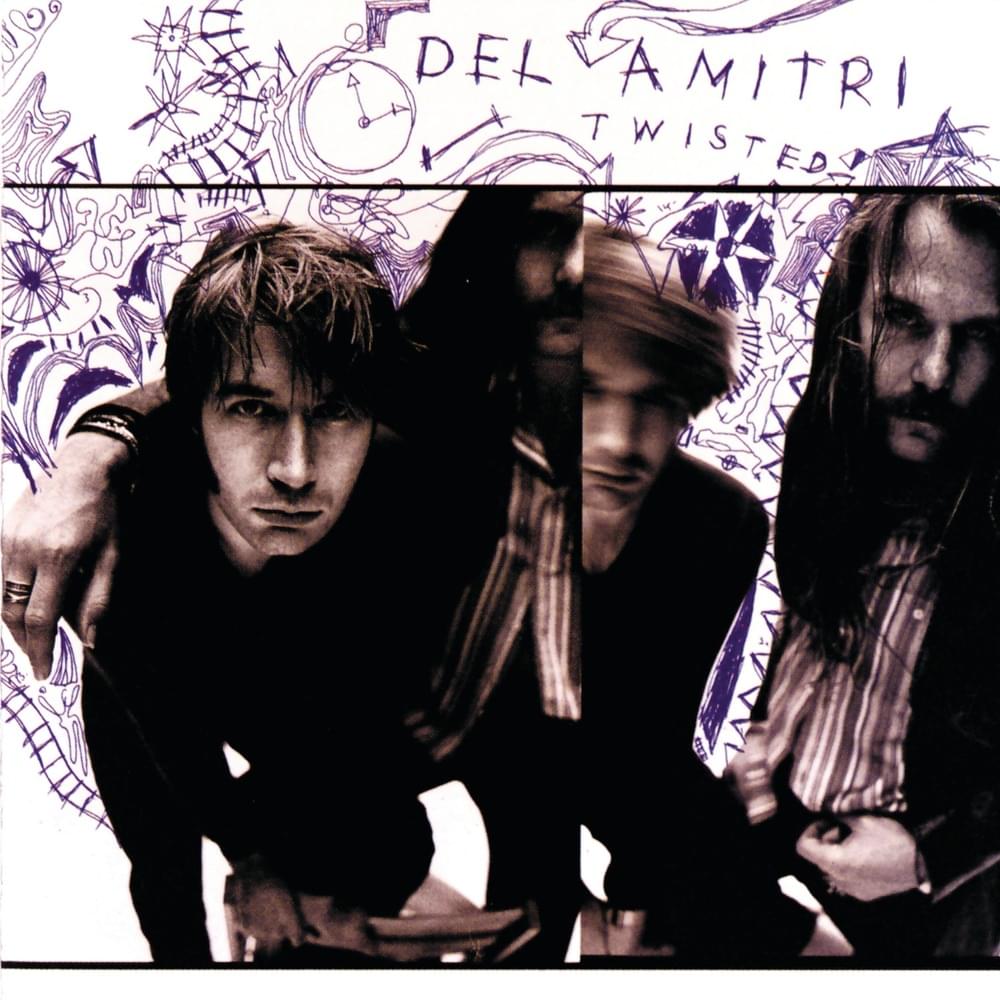
 View Artist