Song Meaning
The lyrics paint a picture of someone desperately trying to maintain a facade of indifference in a relationship, fearing that any display of genuine vulnerability will expose their underlying insecurity. The repeated commands – "Don't tell her that you want her," "Don't ask her to be yours" – establish a tone of anxious self-preservation. This isn't about playing hard to get; it's about a deep-seated fear of rejection that dictates every interaction. The narrator seems convinced that showing need or affection will shatter the illusion they've carefully constructed.
The central tension lies in the narrator's internal conflict between their desire for connection and their paralyzing fear of being perceived as a "fool." The phrase "the fool behind the frown" suggests that even their attempts to appear stoic or unhappy are a mask for something more vulnerable. This fear is so potent that it prevents them from expressing genuine emotions like needing or caring, lest it lead to the ultimate betrayal: the other person seeing through their act and discarding them. The lyrics imply a cycle of self-sabotage driven by this dread.
The most striking craft element is the recursive revelation of the narrator's inner state. The repeated refrain, "Or she might see the fool behind the frown / And then the heart behind the fool," suggests a layered unveiling. It's not just about being seen as foolish; it's about the subsequent exposure of a "heart" that is presumably fragile and easily wounded. This creates a sense of escalating vulnerability, where each layer of defense, if breached, reveals an even deeper, more tender core.
This lyrical approach is effective because it taps into the universal anxiety of wanting to be loved while simultaneously fearing the consequences of being truly known. The specific, almost instructional tone of the verses, juxtaposed with the raw emotional stakes of the chorus, creates a compelling portrait of someone trapped by their own guardedness. The fear of "betrayal" and the imagined disposal of "photographs" amplify the stakes, making the narrator's desperate plea for emotional distance feel both tragic and intensely relatable.
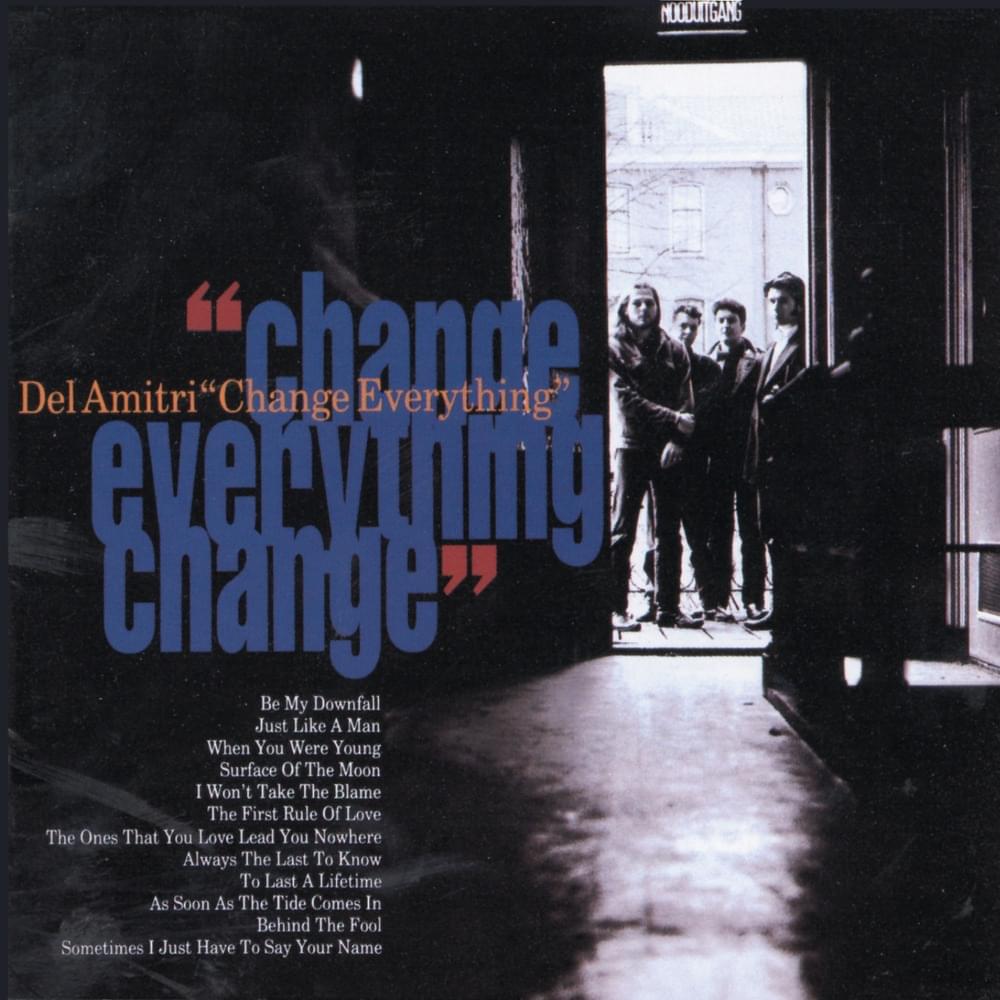
 View Artist