Song Meaning
The lyrics paint a grim, almost operatic picture of embracing evil and damnation. The opening verses establish a tone of dark pronouncements and violent imagery, setting the stage for a pact with a malevolent force. Phrases like "invective death" and "book of evil" immediately signal a descent into forbidden or destructive territory. The narrator seems to be actively choosing a path of power through defilement, as suggested by "recite the role of power" and "power through defile."
The central tension arises from the narrator's explicit plea to Mephistopheles and Satan. It's not a reluctant fall, but a deliberate invocation, as seen in the chorus: "Take me Mephistopheles / Grant me immortality to rise." This suggests a desire for a different kind of existence, one that transcends mortal limitations, even if it means eternal damnation. The narrator appears to reject conventional notions of divinity and morality, embracing a "fascist author of Gods" and an "atheist" force.
The lyrical craft employs a barrage of intense, often contradictory imagery. We see "abortion of angels" juxtaposed with "visions of light," and a call for "insurrection" against divine "shields." The language is deliberately harsh and provocative, using words like "vesicate," "mutilate," and "expectorated discharge" to create a visceral sense of corruption and decay. This aggressive vocabulary underscores the narrator's embrace of the "evil" they are writing into existence.
Ultimately, the effectiveness of these lyrics lies in their unflinching commitment to a dark, almost theatrical nihilism. The narrator doesn't just accept their fate; they actively summon it, seeking a twisted form of immortality through a pact with hell. The sheer force of the language and the clear, albeit terrifying, desire for damnation make for a compelling, albeit disturbing, narrative of self-destruction and power.
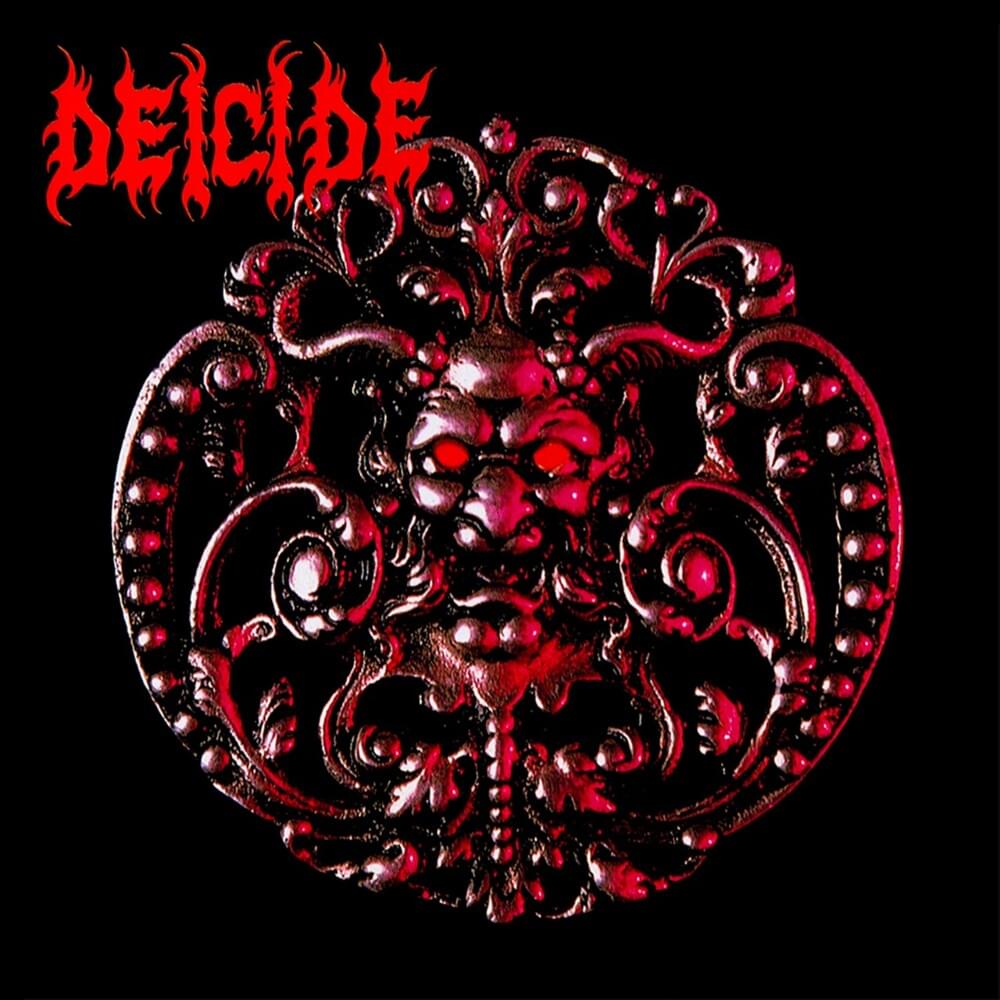
 View Artist