Song Meaning
These lyrics paint a stark picture of absolute cosmic nihilism and rebellion. The narrator positions themselves as an agent of destruction, actively spreading 'plague and disease' and declaring that 'God cannot hear you.' This isn't just a lament; it's a declaration of war against faith itself, aiming to dismantle religious structures and beliefs with extreme prejudice. The tone is one of defiant rage and utter despair, a complete rejection of any divine order or hope.
The central conflict is the narrator's violent overthrow of God and religious tenets. They are 'overthrowing the lord,' 'defacing their idols,' and 'murdering Christ.' This isn't a passive loss of faith but an active, aggressive dismantling of sacred symbols and laws. The lyrics repeatedly emphasize unanswered prayers and the destruction of faith, creating a powerful sense of divine abandonment and the narrator's triumph in that void. The repeated phrase 'the end has begun' acts as a grim pronouncement of this new, godless reality.
The most striking aspect of the craft is the visceral, almost blasphemous imagery used to convey this destruction. Phrases like 'cripple the cross' and 'crucify Christ to the unholy one' are designed to shock, illustrating the complete annihilation of religious icons and their power. The lyrics suggest a profound inversion, where the 'unholy one' is invoked to destroy the divine, and the ultimate statement, 'even the gods can bleed,' implies a vulnerability in the divine that the narrator intends to exploit and prove. This isn't just about disbelief; it's about actively inflicting wounds on the concept of divinity.
This lyrical assault is effective because it grounds its abstract nihilism in concrete, violent actions against religious symbols. The relentless repetition of destruction and unanswered pleas hammers home the narrator's conviction and the perceived futility of faith. By declaring themselves the source of plague and disease, and by directly attacking Christ and the cross, the lyrics create an intensely personal and aggressive rejection of divine authority, leaving the listener with a chilling sense of cosmic defeat and the narrator's absolute, albeit bleak, power.
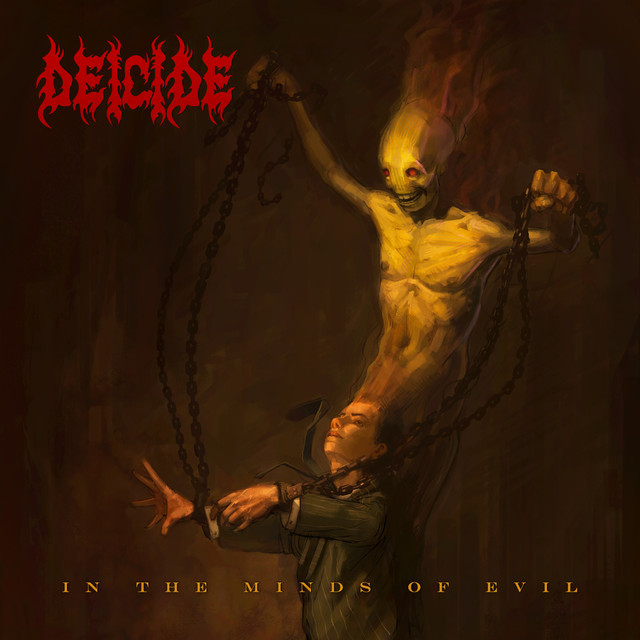
 View Artist