Song Meaning
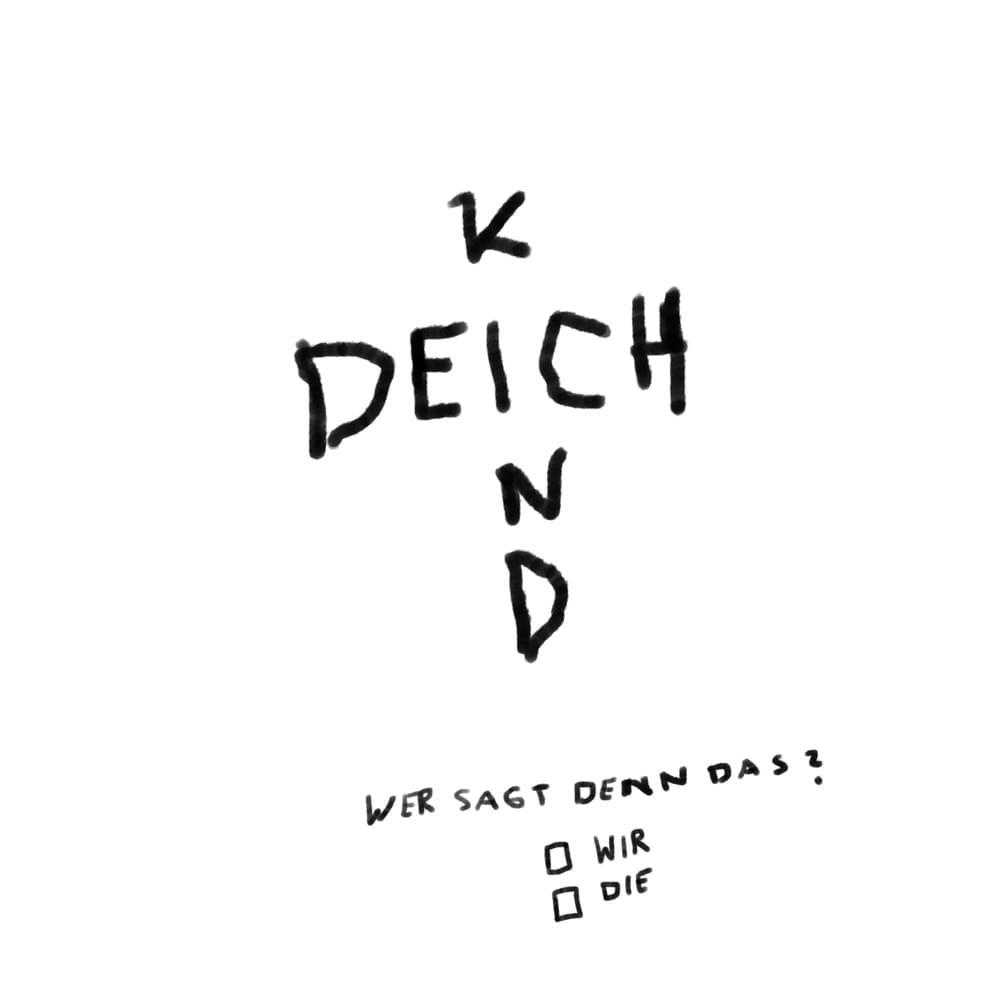
This snippet opens with a stark, almost bureaucratic pronouncement: "Wir könn' nicht einfach jeden retten" (We can't just save everyone). It immediately sets a tone of resignation or perhaps a justification for inaction. The subsequent back-and-forth, however, reveals a deep skepticism about the source of this 'truth.' The question "Wer sagt das?" (Who says that?) is the central pivot, exposing the arbitrary nature of such pronouncements.
The core tension lies in the clash between a widely accepted, yet unverified, assertion and the demand for concrete evidence. One voice claims "Das weiß doch jeder?" (Everyone knows that?), implying it's common knowledge, while the other relentlessly probes, "Wer weiß das denn?" (Who knows that then?) and "In der Zeitung steht's!" (It's in the newspaper!). This highlights a societal tendency to accept pronouncements without scrutiny, especially when they seem to originate from authority or popular consensus.
The most striking element is the rapid escalation from a seemingly simple statement to outright dismissal and accusation. The phrase "Was redest du denn für einen Scheiß?" (What kind of shit are you talking about?) signals a complete breakdown in communication, where the demand for "Zahl'n" (numbers) is met with derision rather than data. The lyrics suggest that the 'common knowledge' is fragile, easily dismantled by a simple, persistent question.
This exchange is effective because it mirrors a common frustration: the feeling of being bombarded with information or directives that lack clear origins or justification. The rapid-fire dialogue and the abrupt shift to insult create a sense of chaotic, yet relatable, disillusionment with how 'truths' are disseminated and accepted in turn, accepted or rejected.
 View Artist