Song Meaning
The lyrics paint a stark picture of an old man, isolated and suffering, finding grim solace in the idea of death as an escape. He's a figure of profound loneliness, his physical discomfort mirrored by the emotional desolation of his situation. The imagery of stuffing news into his shirt for warmth is a poignant detail, highlighting his desperate, almost absurd, attempt to find comfort in the discarded remnants of the world.
The central tension lies between the man's desperate hope for freedom through death and the bleak reality of his present existence. He's "waiting on a train that's taking him nowhere," a powerful metaphor for a life that has lost its direction and purpose. The phrase "Desolation station for eternity" underscores the finality and hopelessness of his perceived fate, suggesting a spiritual as well as physical emptiness.
The lyrics shift perspective in the third stanza, posing a broader, almost accusatory question: "Who in the world's to blame?" This moves beyond the individual's plight to a societal critique. The final stanza directly addresses the listener, urging against wasting time and highlighting the futility of a life spent chasing goals without appreciating the present. The "highway" becomes a symbol of this aimless, hurried existence, where people "never really get to where they want to be."
This contrast between the individual's static despair and the world's frantic, unfulfilling motion is what makes these lyrics resonate. The writing forces a confrontation with the potential emptiness of a life lived solely in pursuit of an undefined destination, using the old man's extreme situation as a stark warning. The final lines, "there no time to waste time this time through," serve as a direct, urgent plea to re-evaluate our own paths.
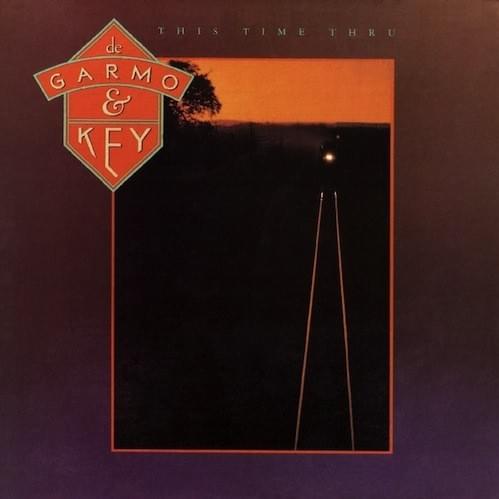
 View Artist